
Research at the Social Simulation Laboratory
People, firms, regions, and countries are connected in many ways. These connections enable knowledge creation and economic activity, but they also transmit the effects of disasters, financial crises, and infectious diseases. We combine real-world data with computational models to understand how interactions among individual actors shape outcomes across society.
How do local disruptions spread across an economy?
When a factory stops production, its customers may run short of essential inputs and reduce their own output. The effects can reach firms far from the original disruption, including those with no direct connection to the affected factory. Understanding these chains of dependence is essential to assessing economic losses and recovery.
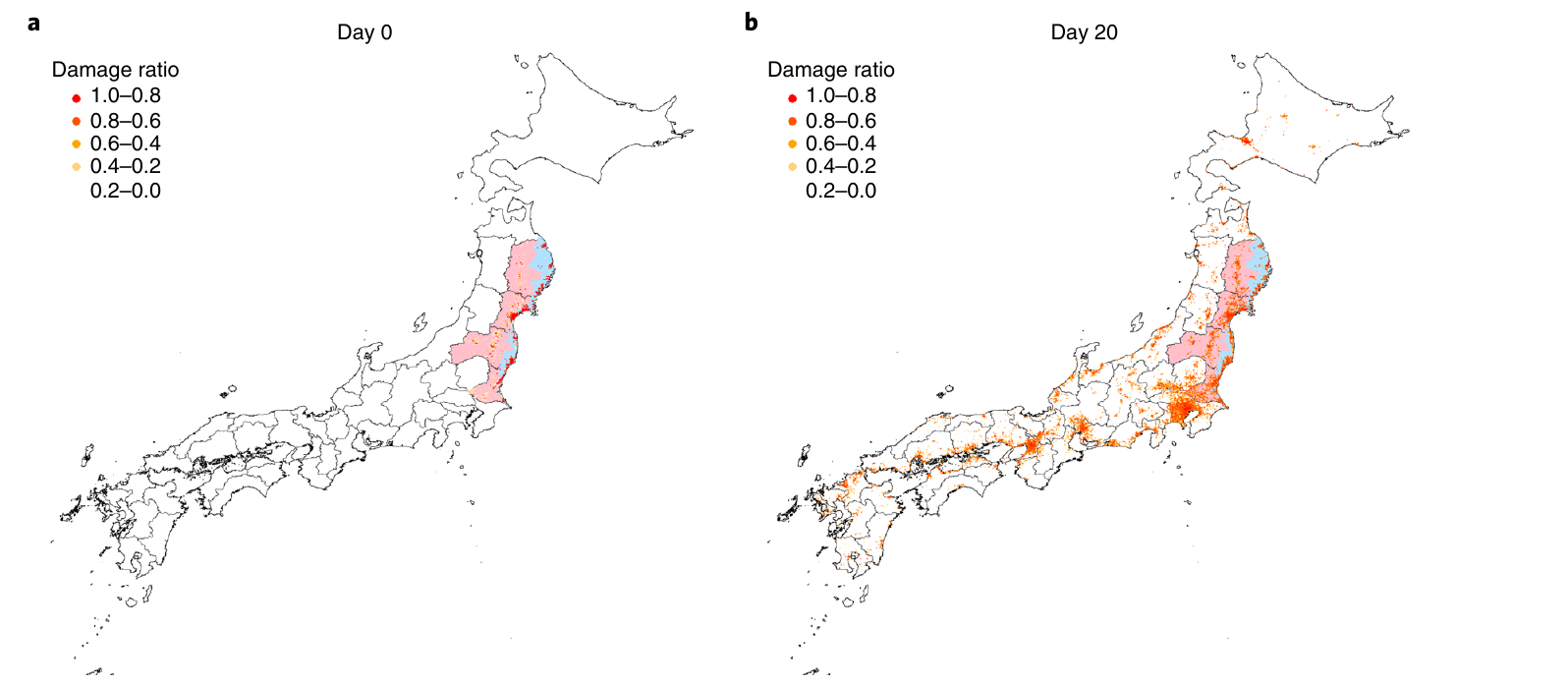
We use observed supplier–customer networks to simulate production, inventories, procurement, and demand at the firm level. Research on the Great East Japan Earthquake shows how network concentration, difficulties in replacing inputs, and cycles of transactions influence the scale and persistence of losses. Incorporating establishment-level damage and power outages improves our reproduction of the initial decline in production after the disaster.
We have extended this framework to restrictions on economic activity and disruptions to international trade. By comparing scenarios, we examine when coordination across regions and changes in sourcing can reduce losses. These are conditional model-based assessments: their purpose is to compare preparedness and recovery options while making the underlying data and assumptions explicit.
Supply chains carry disruption far beyond the disaster area.
Related papers
- Firm-level propagation of shocks through supply-chain networksNature Sustainability (2019)
- Simulation of supply chain disruptions considering establishments and power outagesPLOS One (2023)
- Disruption of international trade and its propagation through firm-level domestic supply chains: A case of JapanPLOS One (2023)
- Supply-chain simulations for shaping lockdown policiesSpatial Economic Analysis (2023)
What kinds of connections support the creation of new knowledge?
Invention depends on more than individual ability. Who collaborates with whom, where people meet, and which kinds of knowledge they encounter can all matter. We study these relationships using joint patent applications, citations, and the locations of inventors and establishments.
Geographic proximity remains important for collaboration, while links to distant and international partners provide access to diverse knowledge. Repeated collaboration can build experience, yet more repetition does not consistently produce better outcomes. Analyses of Japanese and US patent data show the importance of maintaining diversity in teams and technologies.
Historical evidence offers another way to investigate the role of interaction. Using the 1918 influenza pandemic in Japan, we find a relative decline in patent applications in collaboration-intensive technologies, driven largely by fewer new inventors entering patenting. Opportunities for interaction can therefore matter both for existing inventive activity and for the development of new inventors.
We also investigate the value and use of knowledge. This includes measuring regional economic complexity, evaluating Japan’s SBIR program, and predicting patent licensing with machine learning. In a recent study of 624,129 US patents, screening the top-ranked 10% captured about 90% of observed licensing events. This is a recall measure for prioritizing expert review, rather than a claim of 90% classification accuracy across all patents.
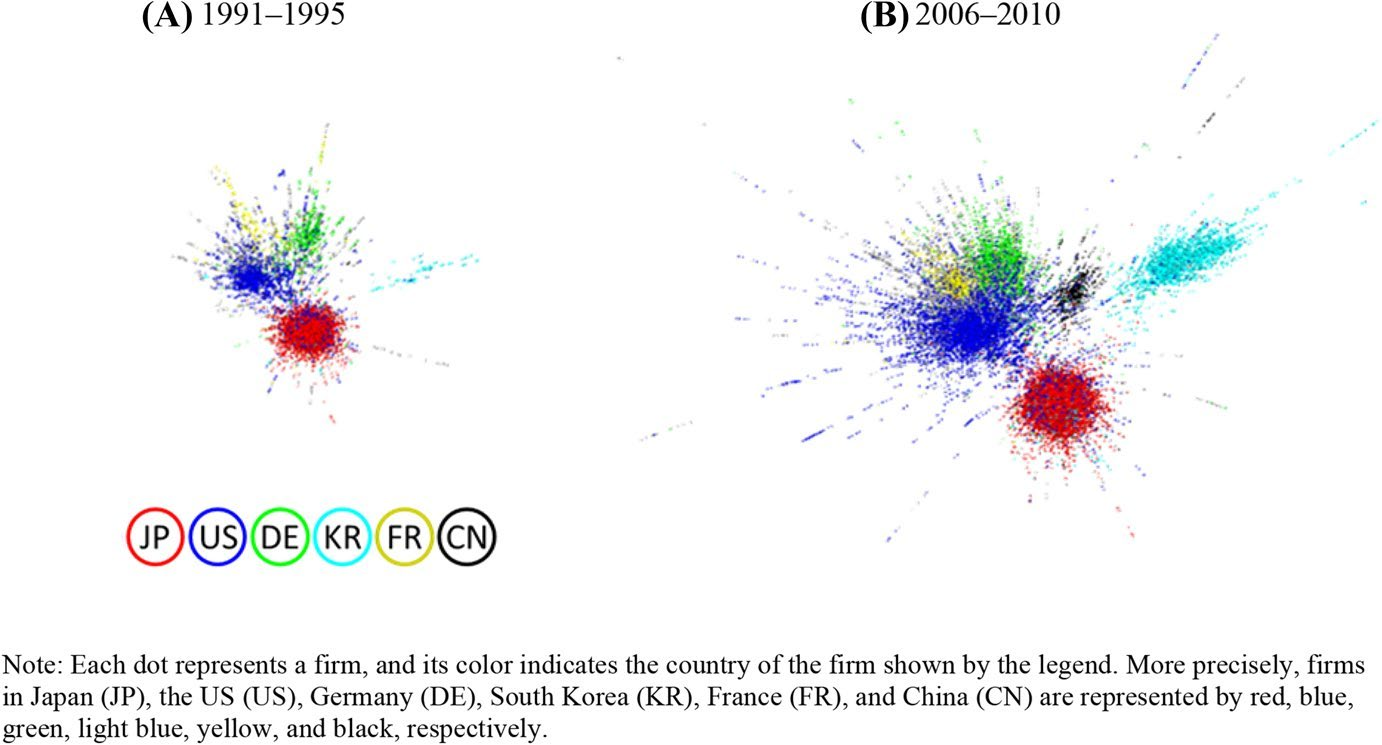
Research collaboration combines international links with national clusters.
Related papers
- Evidence for a Creative Dilemma Posed by Repeated CollaborationsPLOS One (2015)
- The strength of long ties and the weakness of strong ties: Knowledge diffusion through supply chain networksResearch Policy (2016)
- How does the global network of research collaboration affect the quality of innovation?The Japanese Economic Review (2020)
- The role of human interaction in innovation: evidence from the 1918 influenza pandemic in JapanThe Japanese Economic Review (2025)
- Patent license prediction using deep survival analysis: A comparative studyPLOS One (2026)
- Economic complexity of prefectures in JapanPLOS One (2020)
- Evaluation of the Small Business Innovation Research Program in JapanSAGE Open (2017)
How do economic connections support activity and create systemic risk?
Firms exchange goods, borrow from banks, transfer money, and share knowledge. These relationships form several interconnected networks. We analyze supplier–customer links, bank–firm lending, money transfers, and international trade to understand the organization of economic activity.
Large Japanese production networks contain communities that cross conventional industry boundaries, with both upstream–downstream flows and feedback loops. We develop methods to separate and visualize these structures, investigate how trading relationships form, and study how the productivity of value-chain partners relates to growth. Work with regional bank-transfer data also examines how money flows reflect local economic activity.
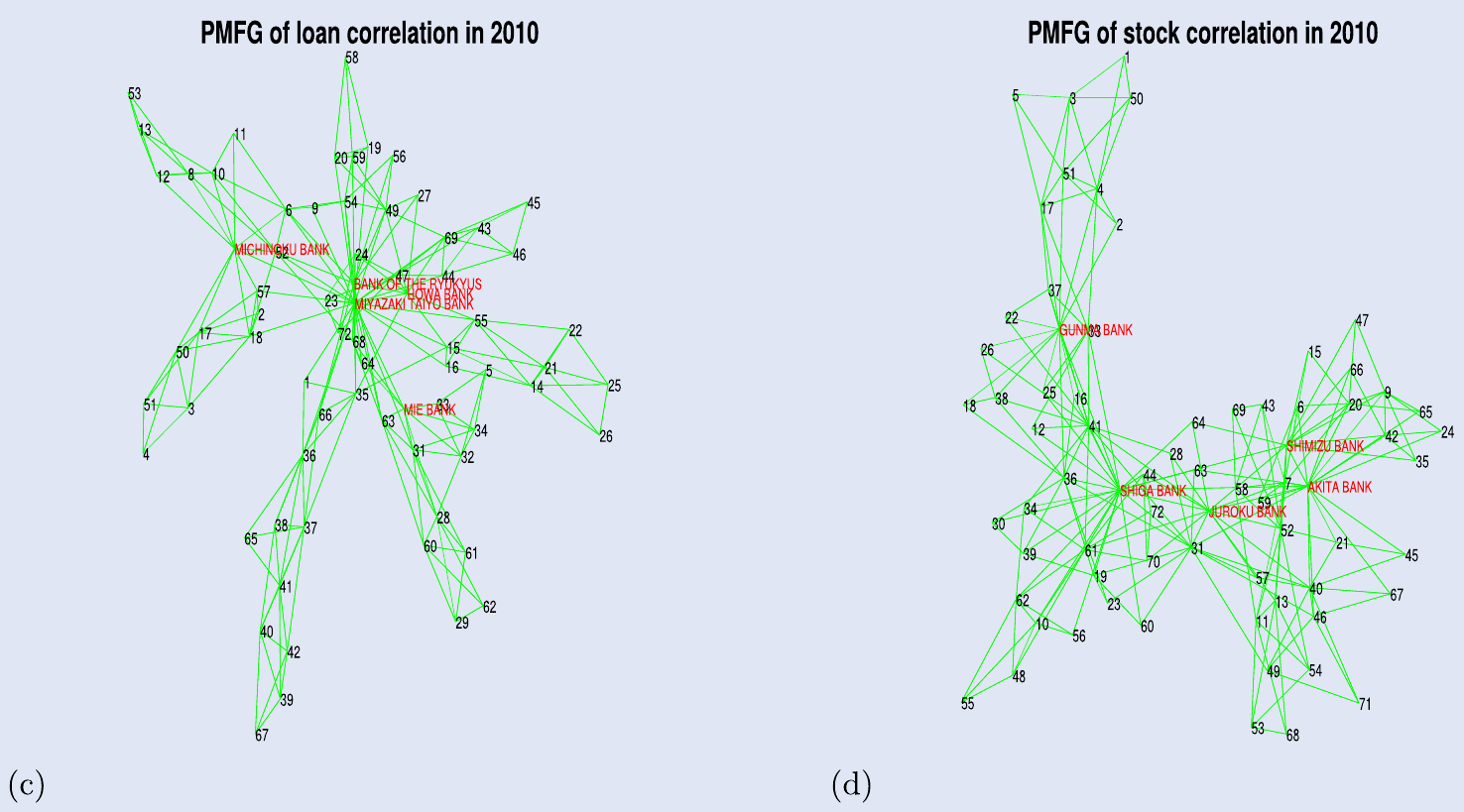
Our financial research compares the correlation networks of bank loan portfolios and equity returns, showing that different layers can reveal different structures and dynamics. A multilayer model of cross-country finance and trade further shows how losses passing between layers can expose vulnerabilities missed by single-layer analyses. This work connects the condition of individual institutions with the stability of the wider system.
The same banks form different networks in lending and equity markets.
Related papers
- Community structure based on circular flow in a large-scale transaction networkApplied Network Science (2019)
- Money flow network among firms’ accounts in a regional bank of JapanEPJ Data Science (2021)
- Peer Effects in Productivity and Differential Growth: A Global Value-Chain PerspectiveIndustrial and Corporate Change (2023)
- Multilayer interdependencies in the banking system of Japan: correlation dynamics and determinantsQuantitative Finance (2025)
- Multilayer Propagation of Cross-Country Systemic RiskJournal of Risk and Financial Management (2026)
What can data reveal about epidemics and changing behavior?
Epidemic dynamics, mobility, and purchasing behavior vary across places and over time. We use aggregated location data, case counts, and online purchasing records to investigate patterns that broad averages can conceal.
Research on Tokyo separates population influx into patterns and examines their associations with subsequent epidemic dynamics. This approach does not identify individual transmission events or establish where people became infected; it helps identify mobility patterns that warrant closer attention. For case forecasting, we combine epidemic and time-series models to account for regional differences and changing conditions.
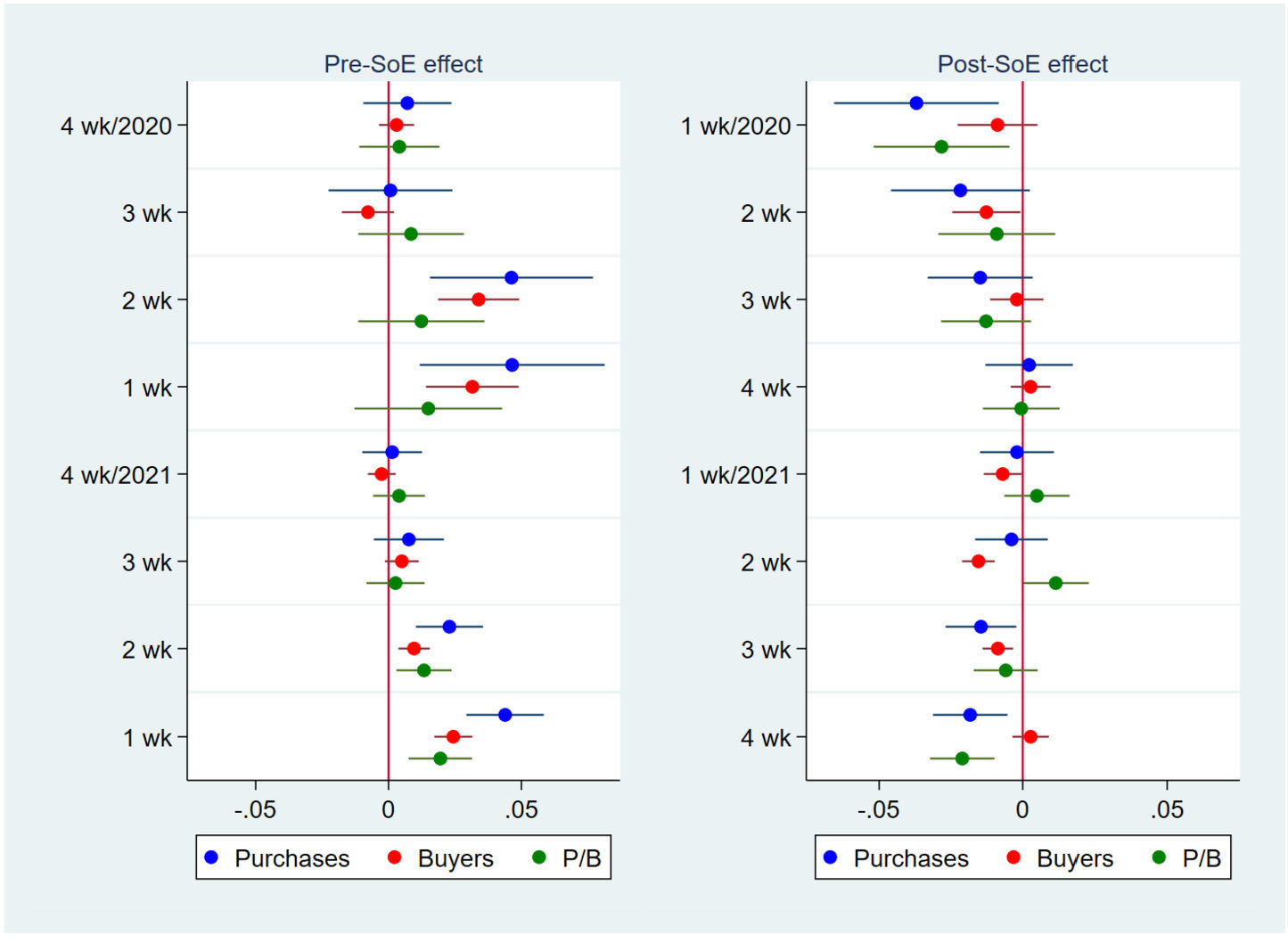
At the international level, analyses of lead–lag relationships among national case series identify two coexisting patterns whose prominence changes between 2020 and 2021–2022. Research on a Japanese online shopping platform also finds that purchasing increases associated with case growth and emergency declarations were temporary during the study period. Distinguishing short-lived responses from lasting behavioral change is a central part of this work.
The online purchasing boost did not persist after emergencies ended.
Related papers
- Hotspot analysis of COVID-19 infection in Tokyo based on influx patternsScientific Reports (2025)
- Prediction of COVID-19 cases using SIR and AR models: Tokyo-specific and nationwide applicationArtificial Life and Robotics (2024)
- The global dissemination of COVID-19 through two coexisting international transmission patternsEPJ Data Science (2026)
- Has Covid-19 permanently changed online purchasing behavior?EPJ Data Science (2023)
Using data to investigate mechanisms and compare options
Our starting point is how to observe social systems. We identify the relationships represented in patent, transaction, financial, and mobility data, and study them as networks. Depending on the question, we combine statistical analysis, causal inference, network science, machine learning, and agent-based simulation.
We distinguish observed associations from causal effects, and empirical records from conditional simulation results. Through this combination, we seek to explain mechanisms and inform the comparison of policy and business options.
Research and laboratory videos
In 2021, Hiroyasu Inoue was selected as a NISTEP Selection researcher by Japan’s National Institute of Science and Technology Policy (NISTEP).
In the talk below, he introduces his research journey and explains how large-scale simulations help us understand the economy, with a particular focus on supply chains.
The talk is in Japanese.
The video below introduces social simulation and offers a glimpse into the approaches used in our laboratory. It is from a lecture given in April 2020.
The lecture is in Japanese.
The video below introduces our laboratory to undergraduate students in the School of Social Information Science at the University of Hyogo who are considering joining us for their final-year research.
The video is in Japanese.
Student Research
Select an image or title to open the research overview below.
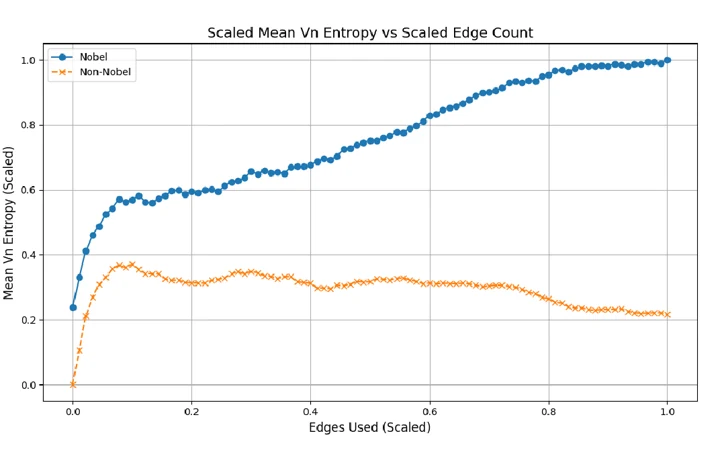 Hayato OtsukaPredicting Breakthrough Papers Using Temporal Citation-Network FeaturesView research +
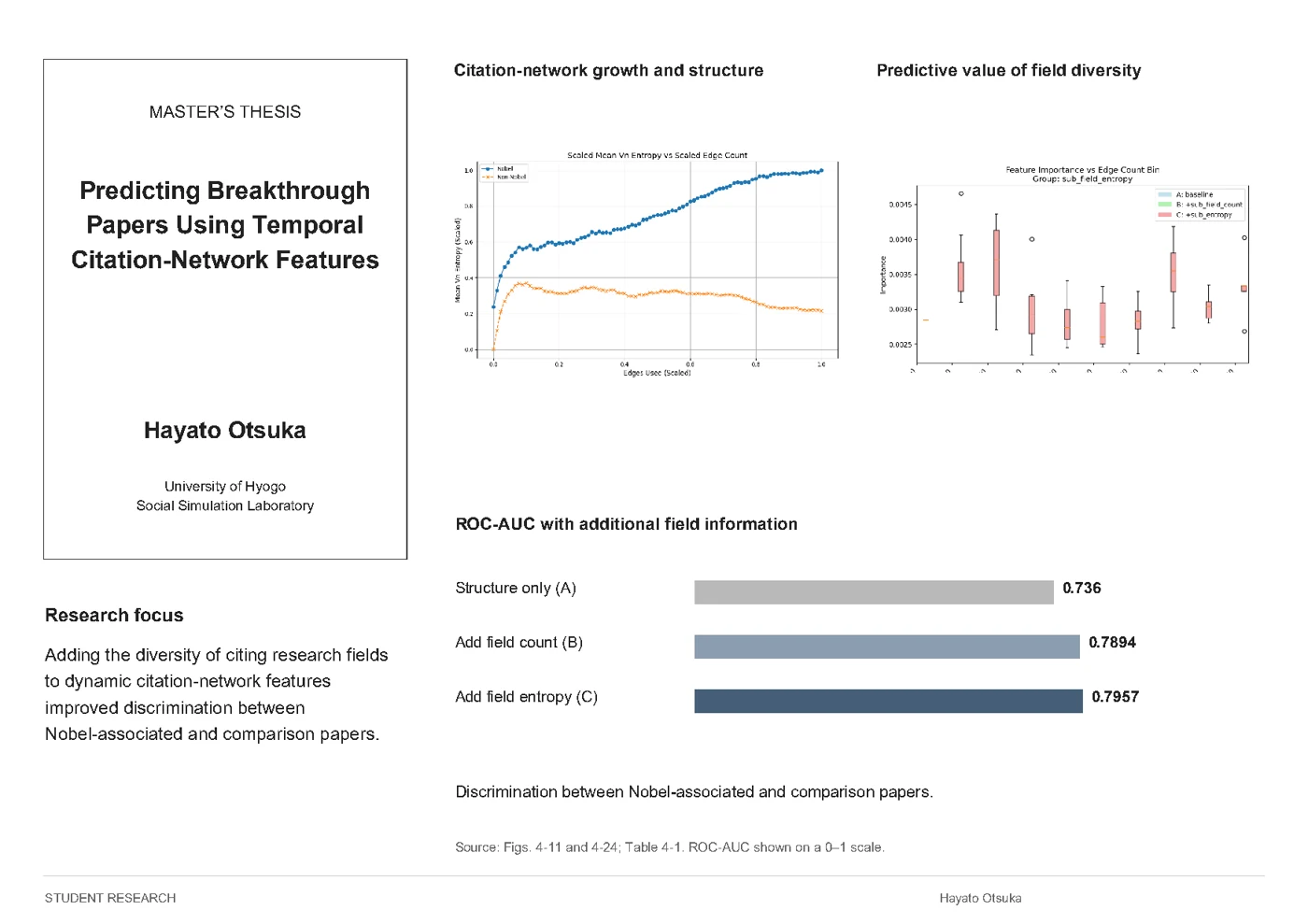 Select the title again to close.
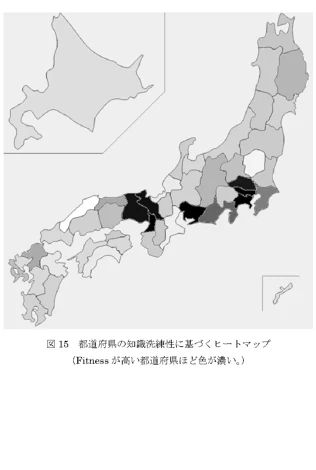 Rintaro KarashimaEvaluating Firms and Prefectures Through Technological Complexity in Patent DataView research +
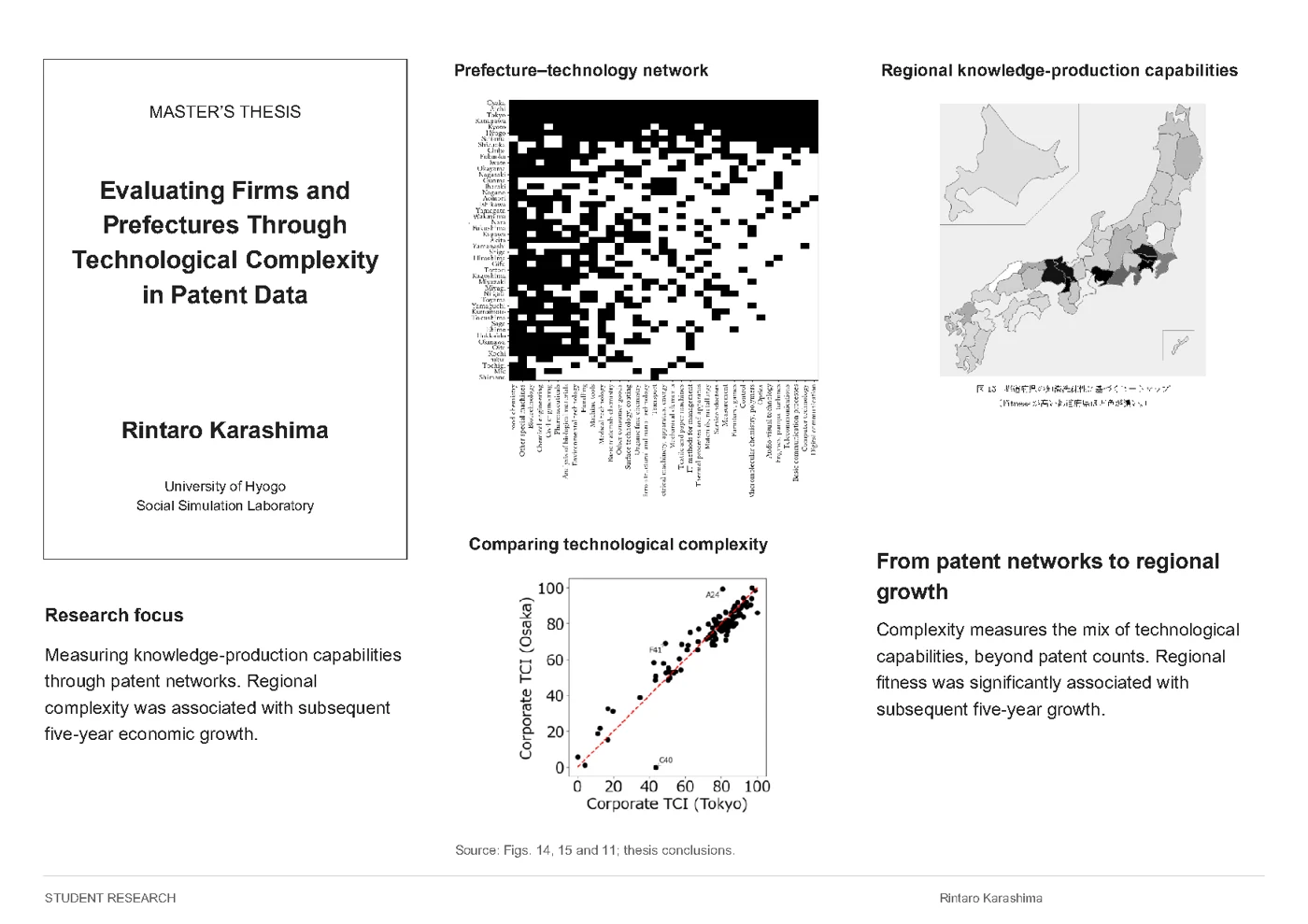 Select the title again to close.
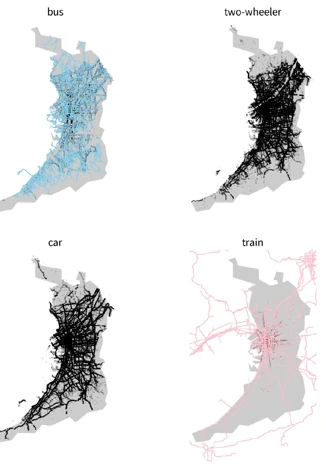 Misaki FukuiUnsupervised Transportation Mode Estimation Using GPS Data and GIS InformationView research +
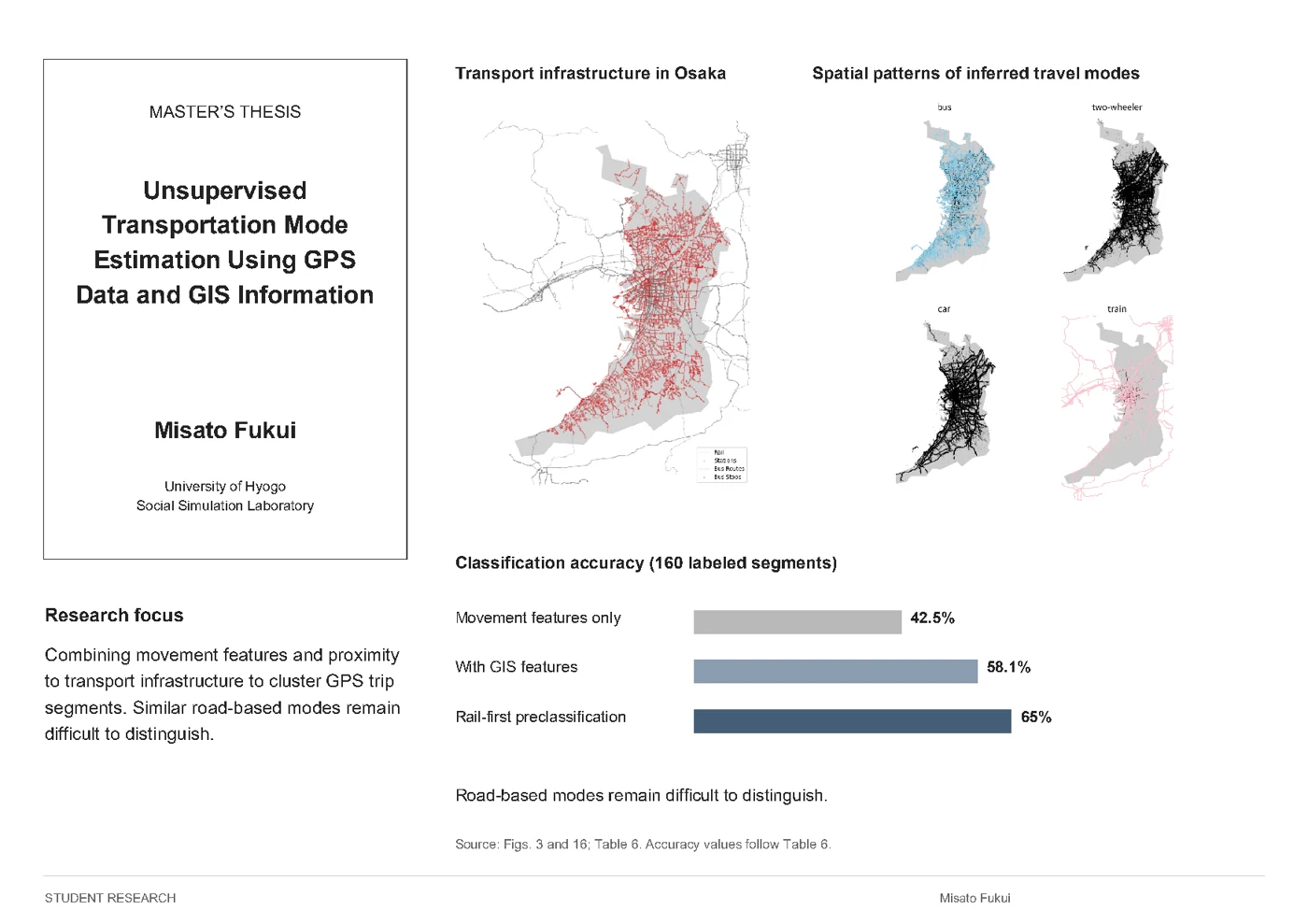 Select the title again to close.
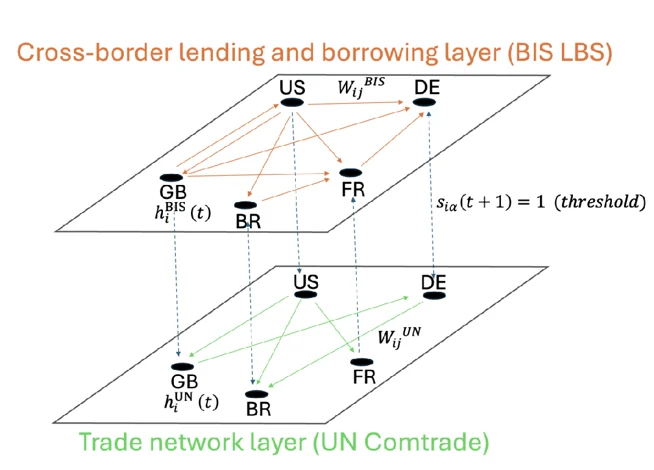 Junhyun ChaeQuantifying Financial Risk Propagation in International Networks Using Multilayer DebtRankView research +
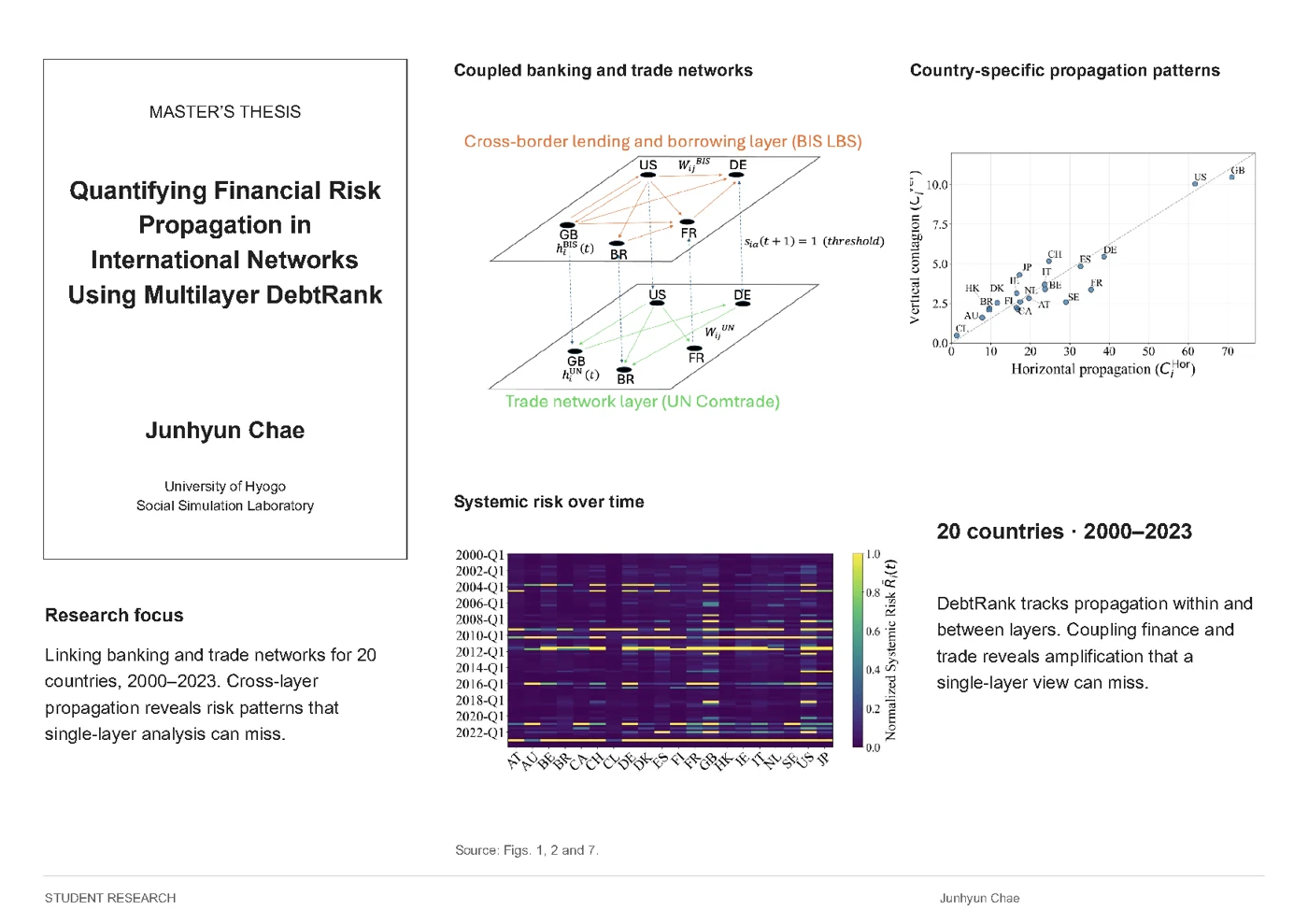 Select the title again to close.
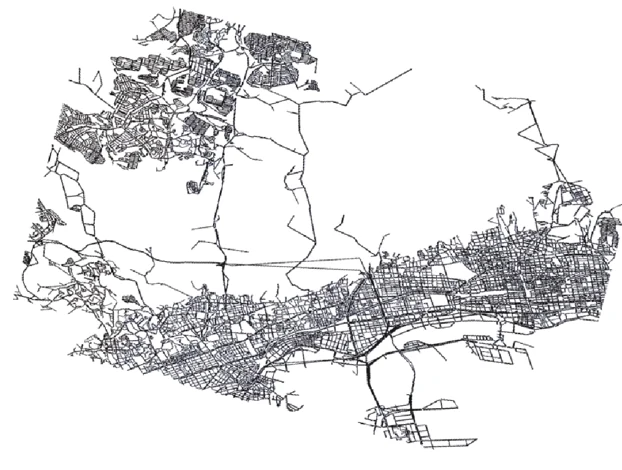 Tomoya IkedaAlleviating Urban Traffic Congestion Through Signal Control Using a Traffic SimulatorView research +
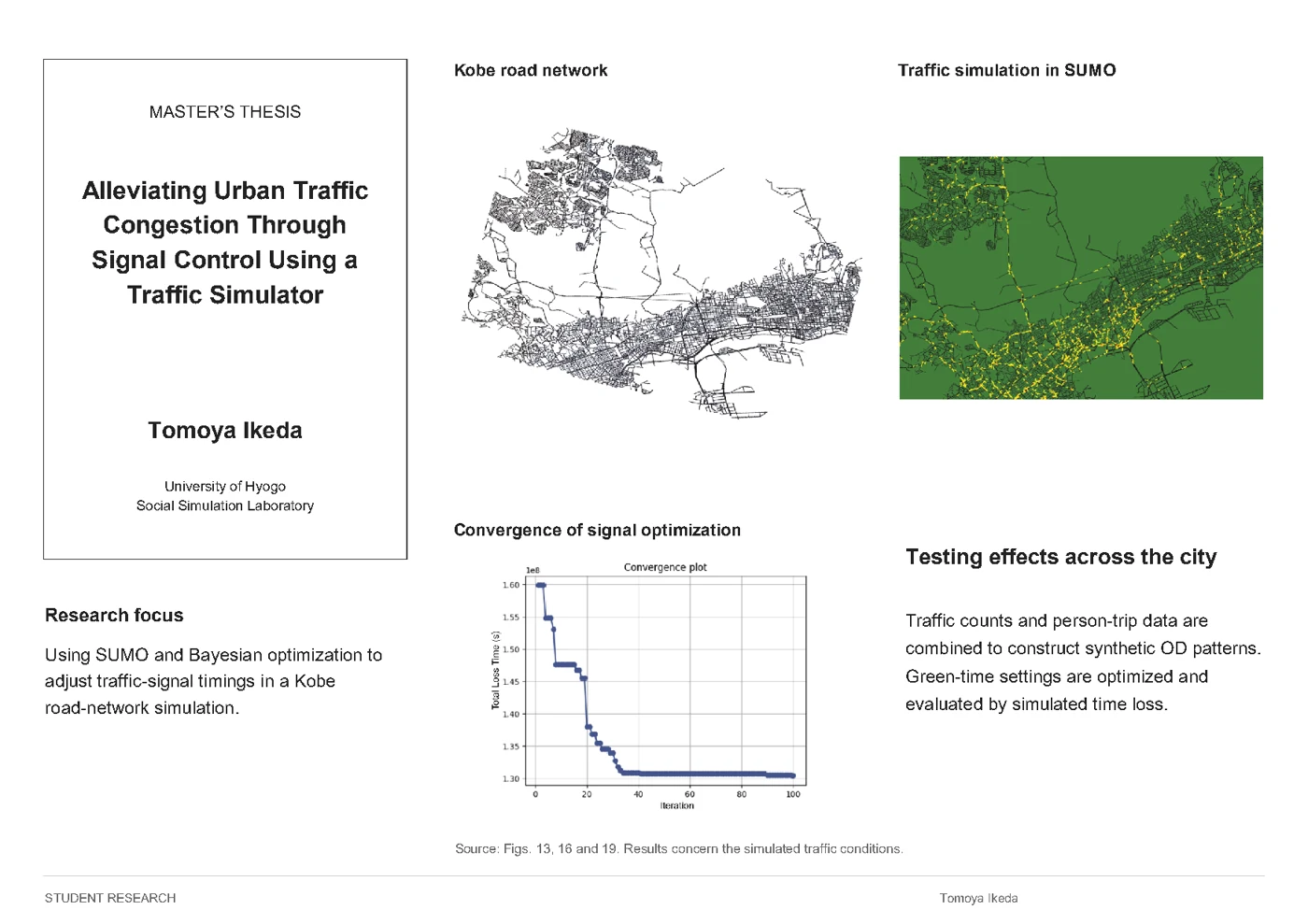 Select the title again to close.
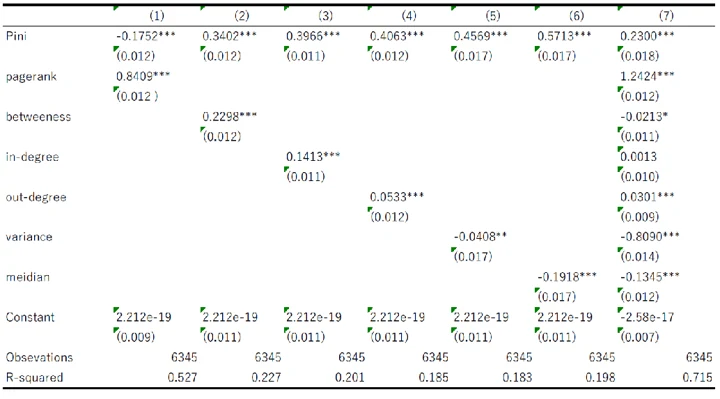 Katsumi TamakiFirm-Level Supply Chain Simulation Based on Interprefectural Input-Output TablesView research +
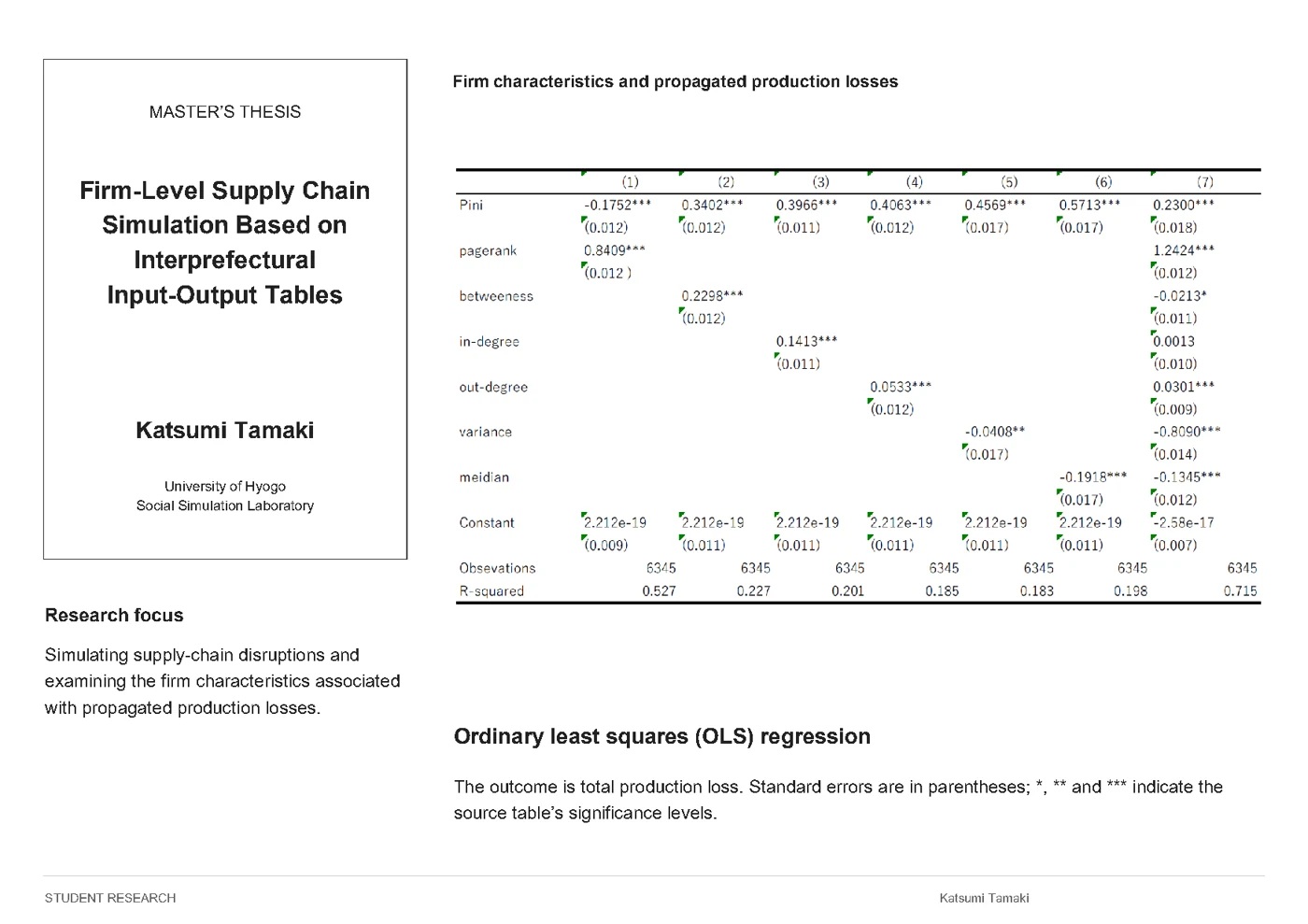 Select the title again to close.
 Ryuki YamamotoSimulating the Impact of Autonomous Vehicles on Urban TrafficView research +
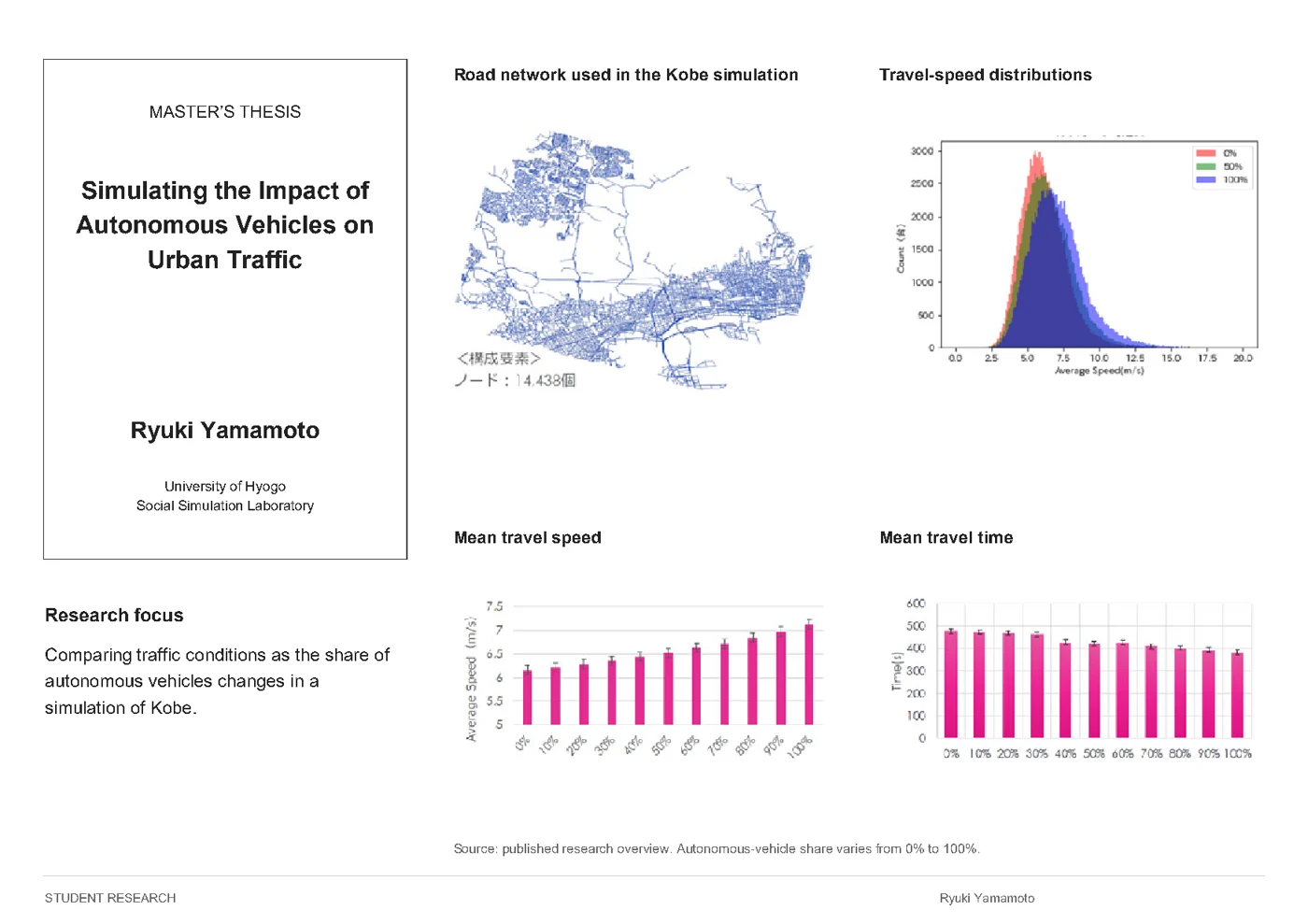 Select the title again to close.
 Hiroto NakagoriPredicting and Analyzing Urban Traffic with Explainable Spatiotemporal Graph Neural NetworksView research +
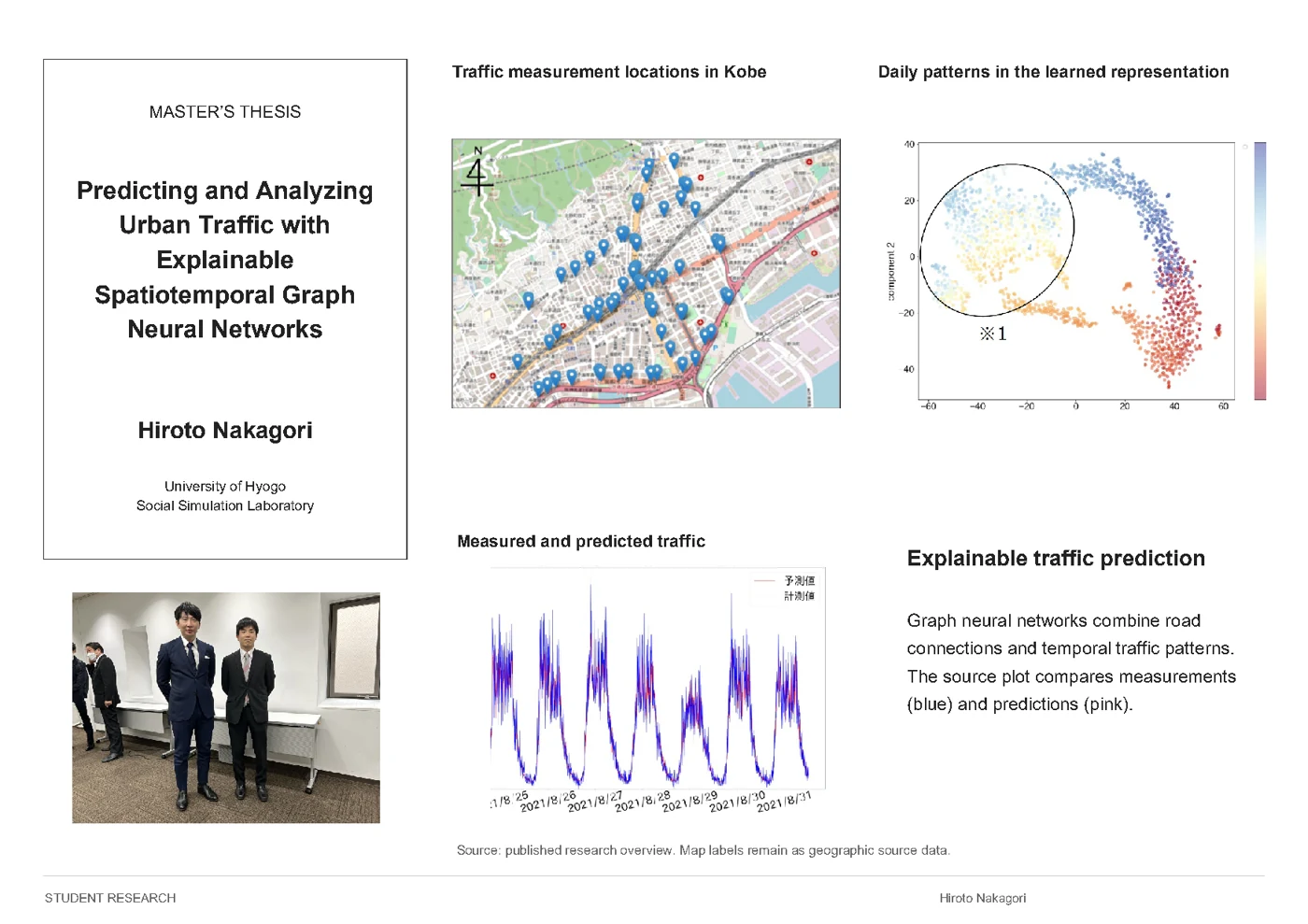 Select the title again to close.
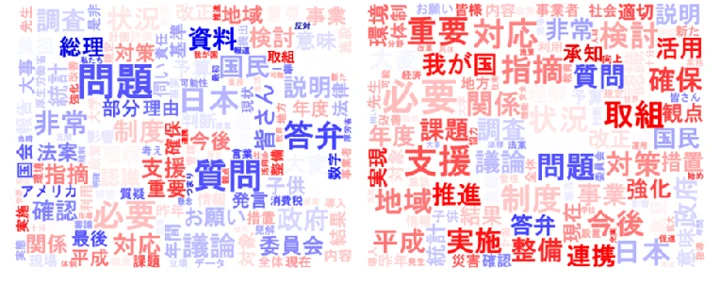 Sachi YamatoInferring Political Orientation from Social MediaView research +
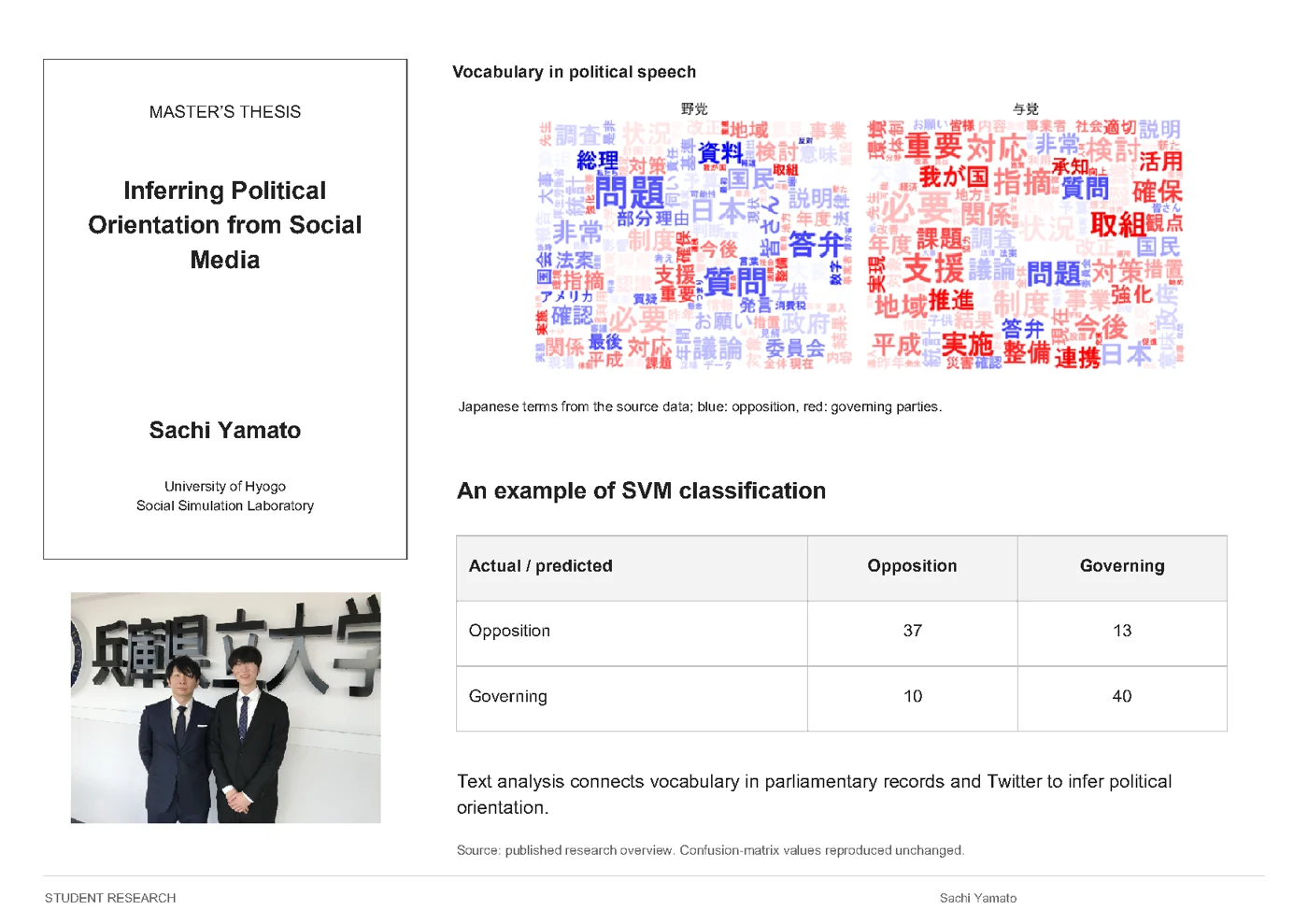 Select the title again to close.
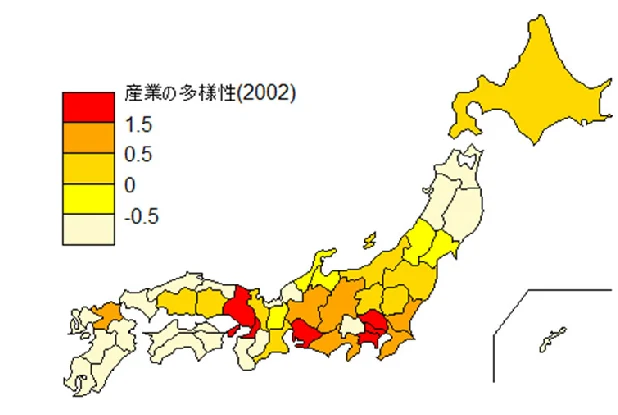 Kozaburo YamadaRegional Industrial Diversity and Economic Growth in JapanView research +
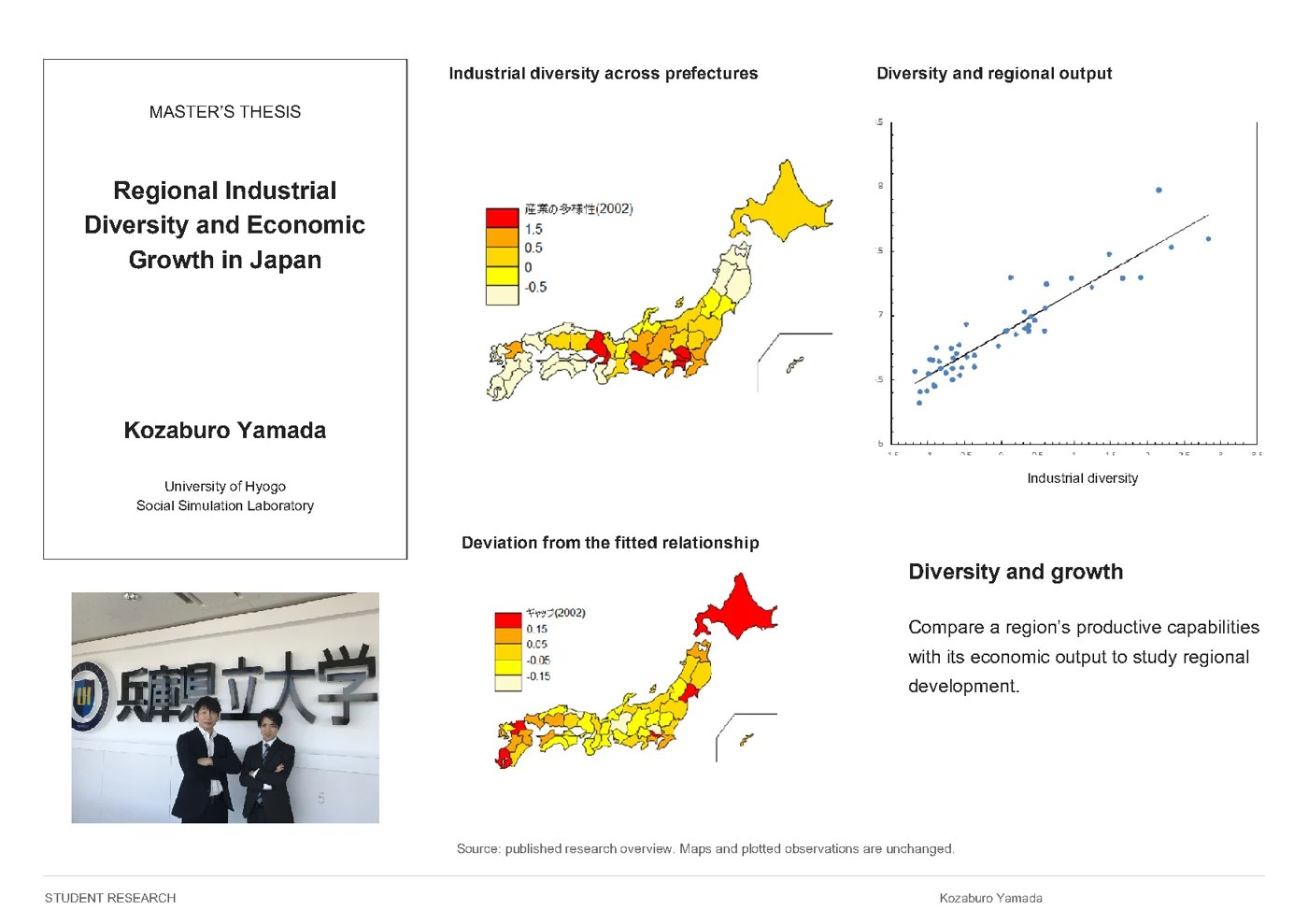 Select the title again to close.
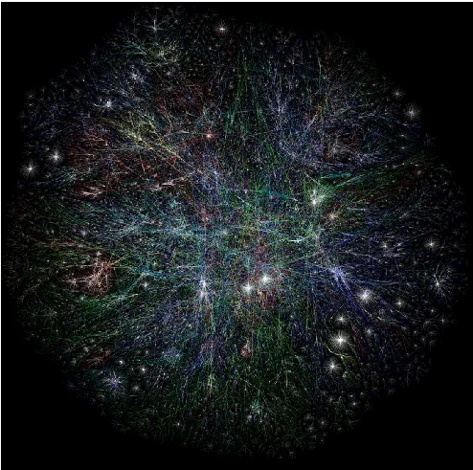 Takumi HamamotoInvestigating Internet Growth Through Community Detection and Temporal EvolutionView research +
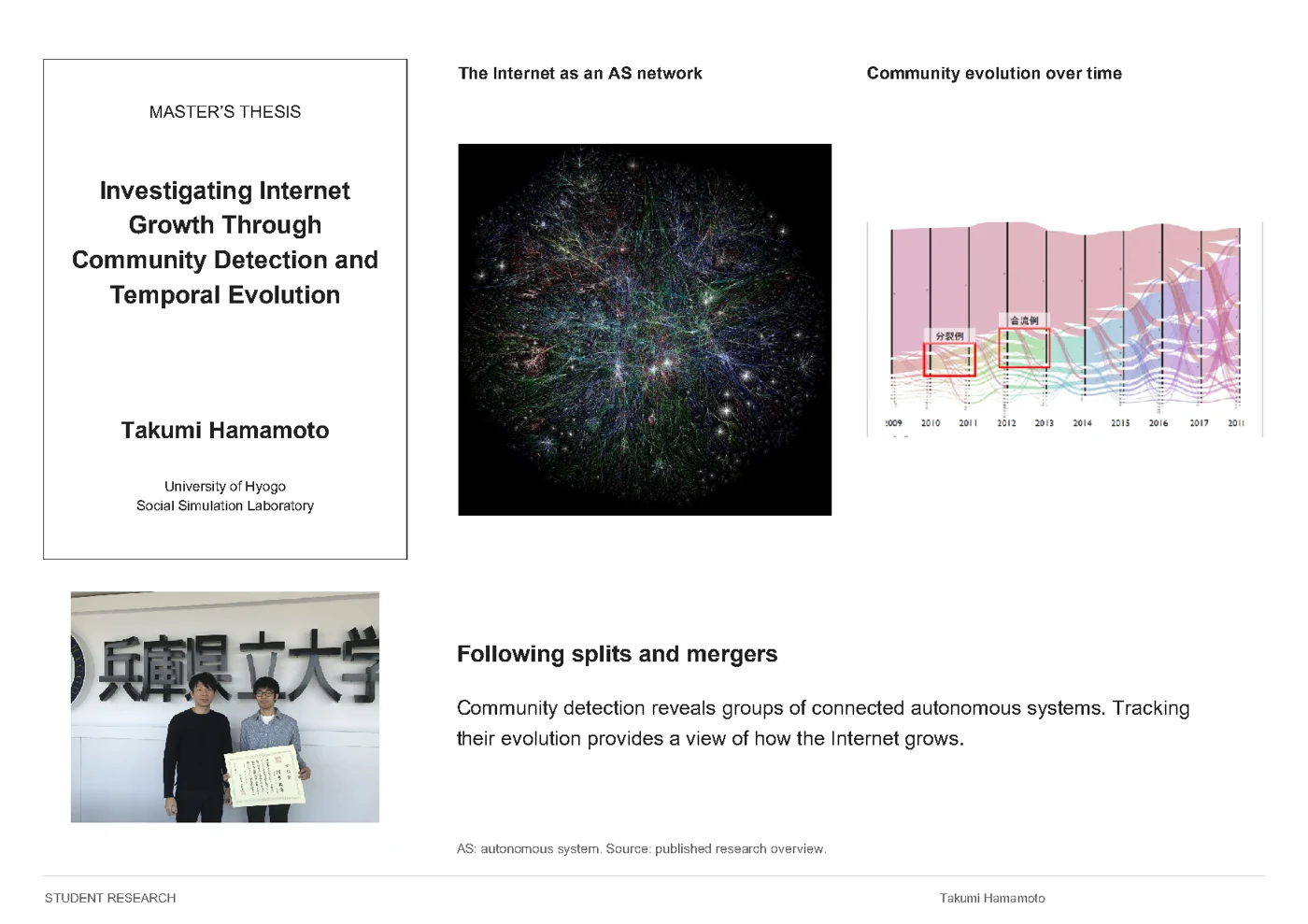 Select the title again to close.
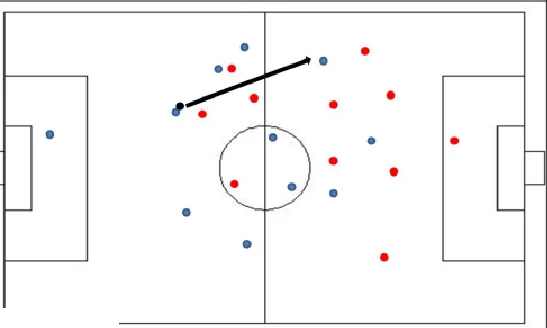 Tomoya TamakoshiMachine-Learning Classification of Collective Motion Using Position- and Orientation-Based SymbolsView research +
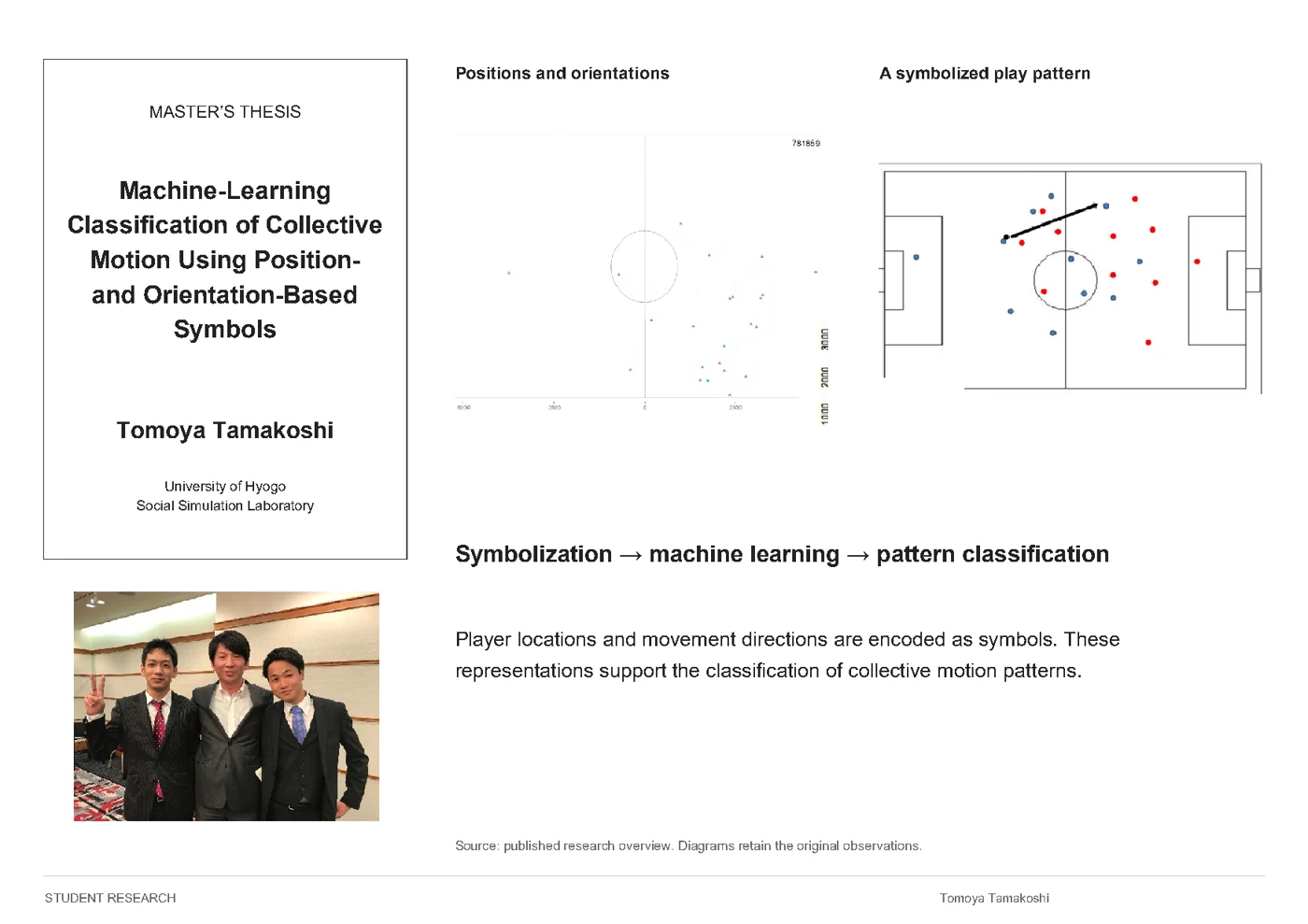 Select the title again to close.
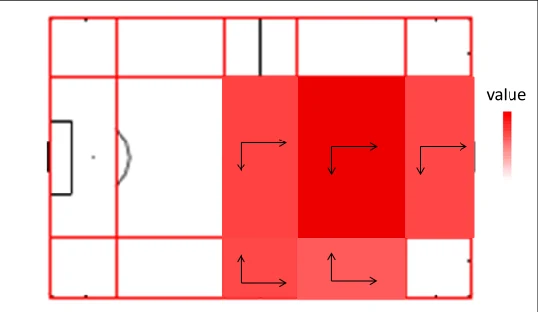 Hideaki TanakaDiscovering Collective Behavior in Spatiotemporal Data Using Topic ModelsView research +
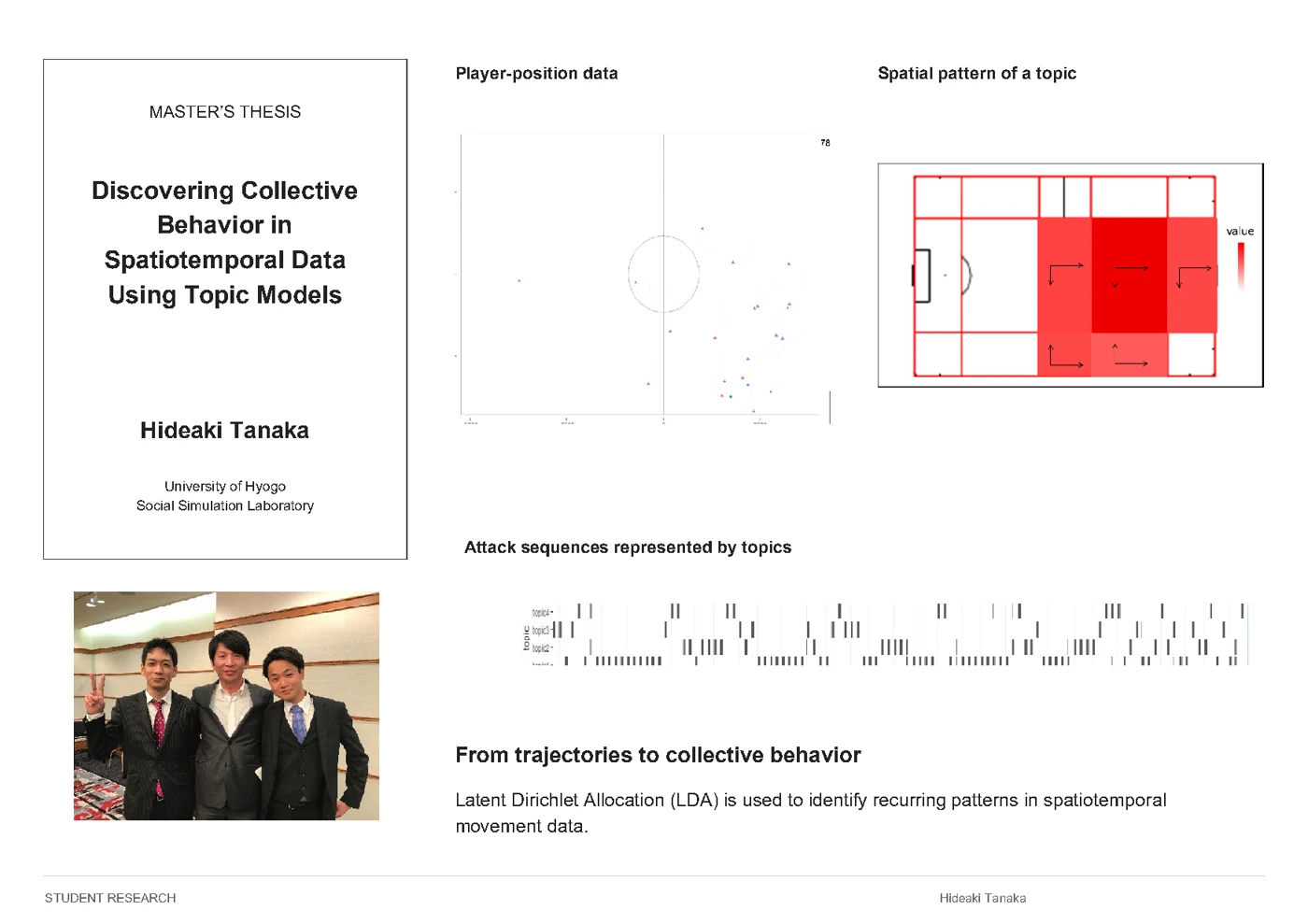 Select the title again to close.
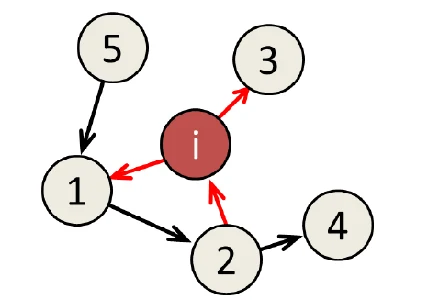 Hiroki MizushimaNetwork Properties Influencing Retweet Behavior on TwitterView research +
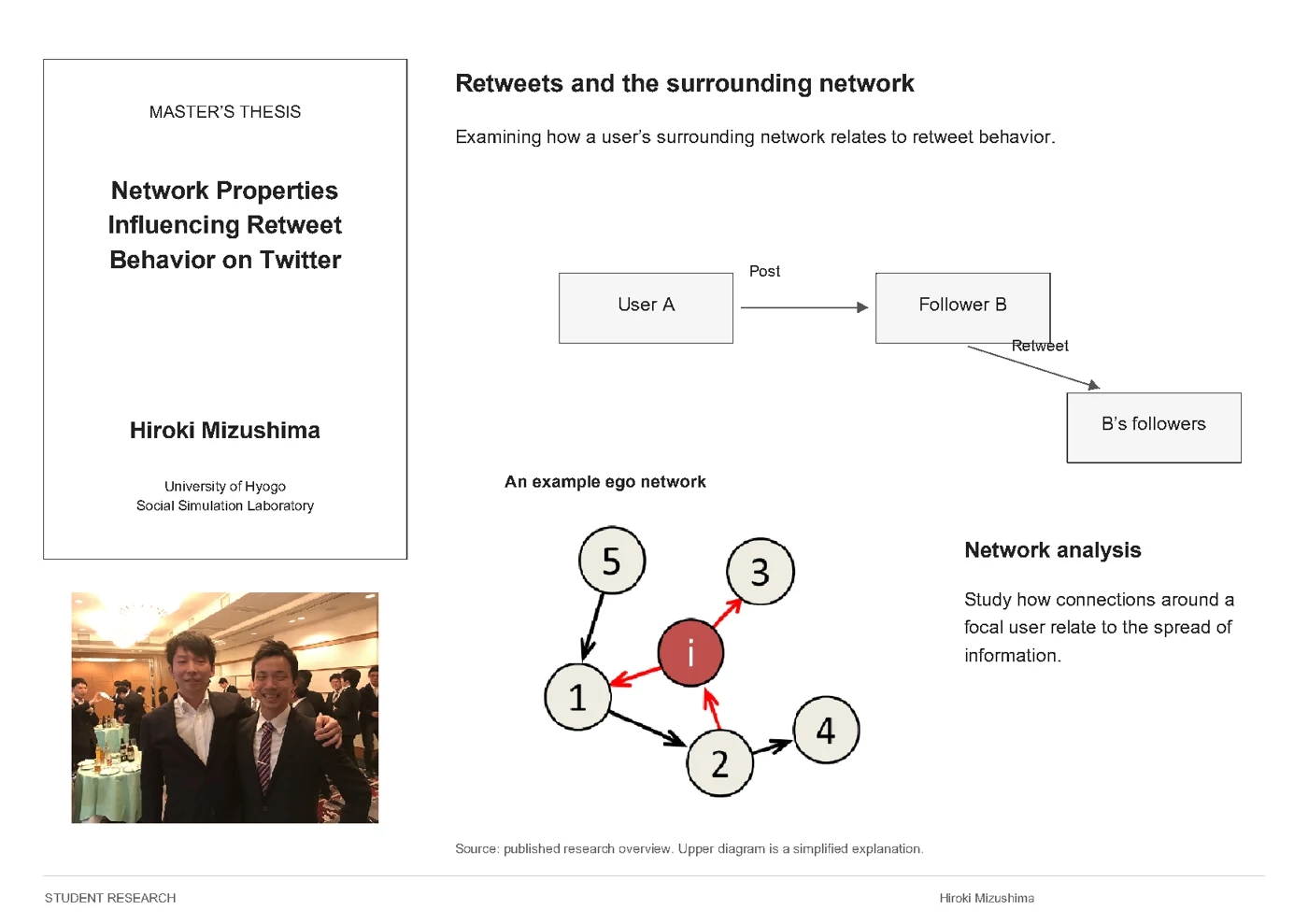 Select the title again to close.