Society is shaped by diverse individuals and the relationships among them. These interactions give rise to complex dynamics, making even near-term changes difficult to predict.
Understanding these dynamics can help us address practical challenges: how to contain a pandemic while limiting economic losses, how to make urban transportation greener and less congested, and how to build supply chains that remain resilient during disasters.
Our laboratory combines real-world data with network science, machine learning, and simulation to understand and predict social phenomena. Our research spans supply chains, transportation, innovation, and social networks.
In 2021, Hiroyasu Inoue was selected as a NISTEP Selection researcher by Japan’s National Institute of Science and Technology Policy (NISTEP).
In the talk below, he introduces his research journey and explains how large-scale simulations help us understand the economy, with a particular focus on supply chains.
The talk is in Japanese.
The video below introduces social simulation and offers a glimpse into the approaches used in our laboratory. It is from a lecture given in April 2020.
The lecture is in Japanese.
The video below introduces our laboratory to undergraduate students in the School of Social Information Science at the University of Hyogo who are considering joining us for their final-year research.
The video is in Japanese.
Our research spans a wide range of topics, including supply chains, transportation, innovation, and social networks. The following sections introduce our main research themes.
Major discoveries are often attributed to individual genius. In reality, most discoveries—and the innovations they enable—are the product of teamwork. We investigate what kinds of teams are more likely to produce significant breakthroughs, with the aim of informing corporate strategy and national innovation policy.
As competition becomes increasingly global, firms rely on trading relationships and collaboration to remain adaptable and competitive. These interdependencies also allow disruptions caused by bankruptcies, disasters, and other shocks to spread across the economy, often with consequences that are difficult to predict. We investigate how these disruptions propagate and how their effects can be reduced, providing insights for business strategy and public policy.
Complex patterns emerge wherever people interact. Beyond innovation and economic activity, we study a broad range of settings—from large-scale discussions on social media to interactions within sports teams. By applying network science and machine learning to observational data, we uncover underlying structures and recurring patterns to deepen our understanding of social behavior.
Select an image or title to open the research overview below.
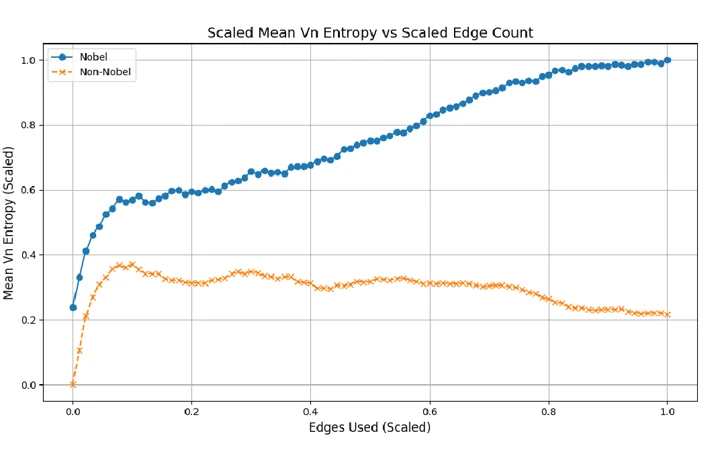 Hayato OtsukaPredicting Breakthrough Papers Using Temporal Citation-Network FeaturesView research +
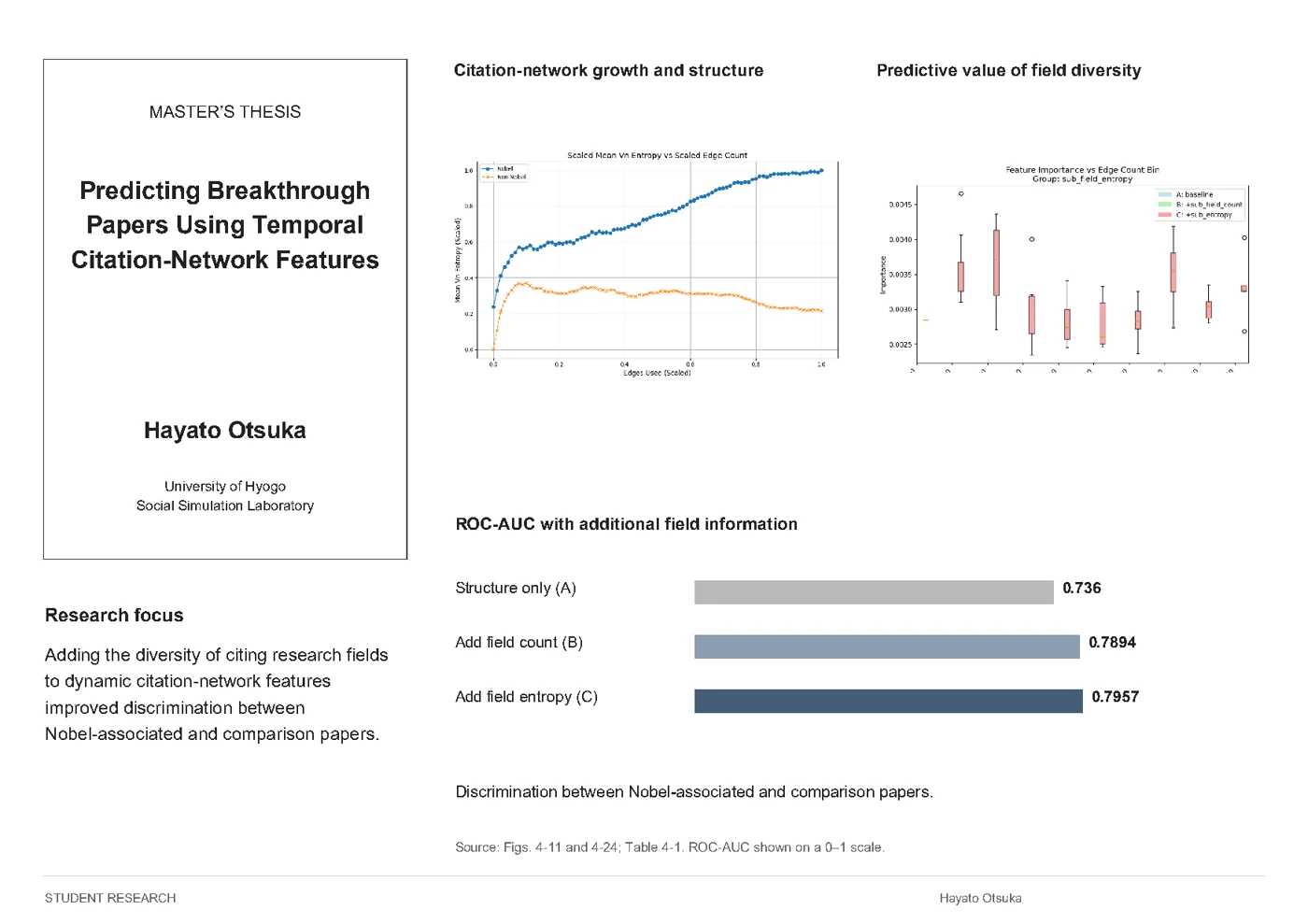 Select the title again to close.
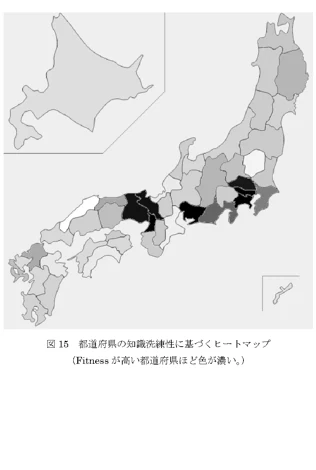 Rintaro KarashimaEvaluating Firms and Prefectures Through Technological Complexity in Patent DataView research +
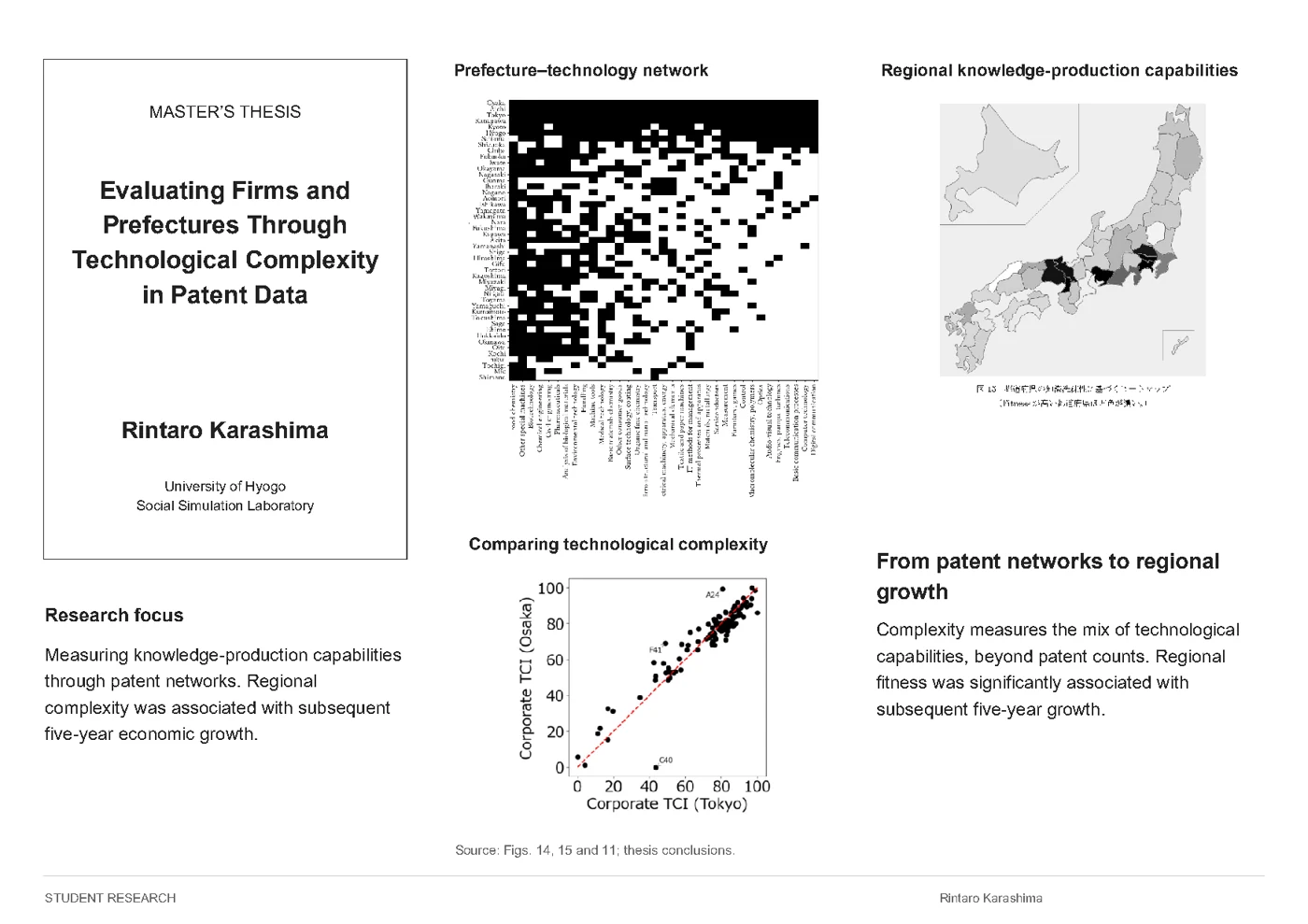 Select the title again to close.
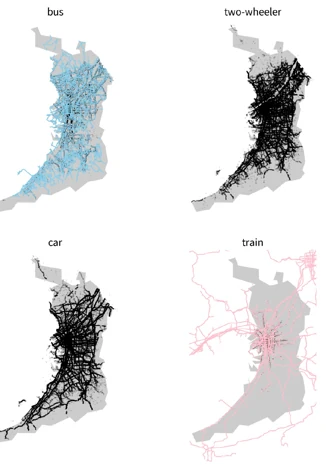 Misato FukuiUnsupervised Transportation Mode Estimation Using GPS Data and GIS InformationView research +
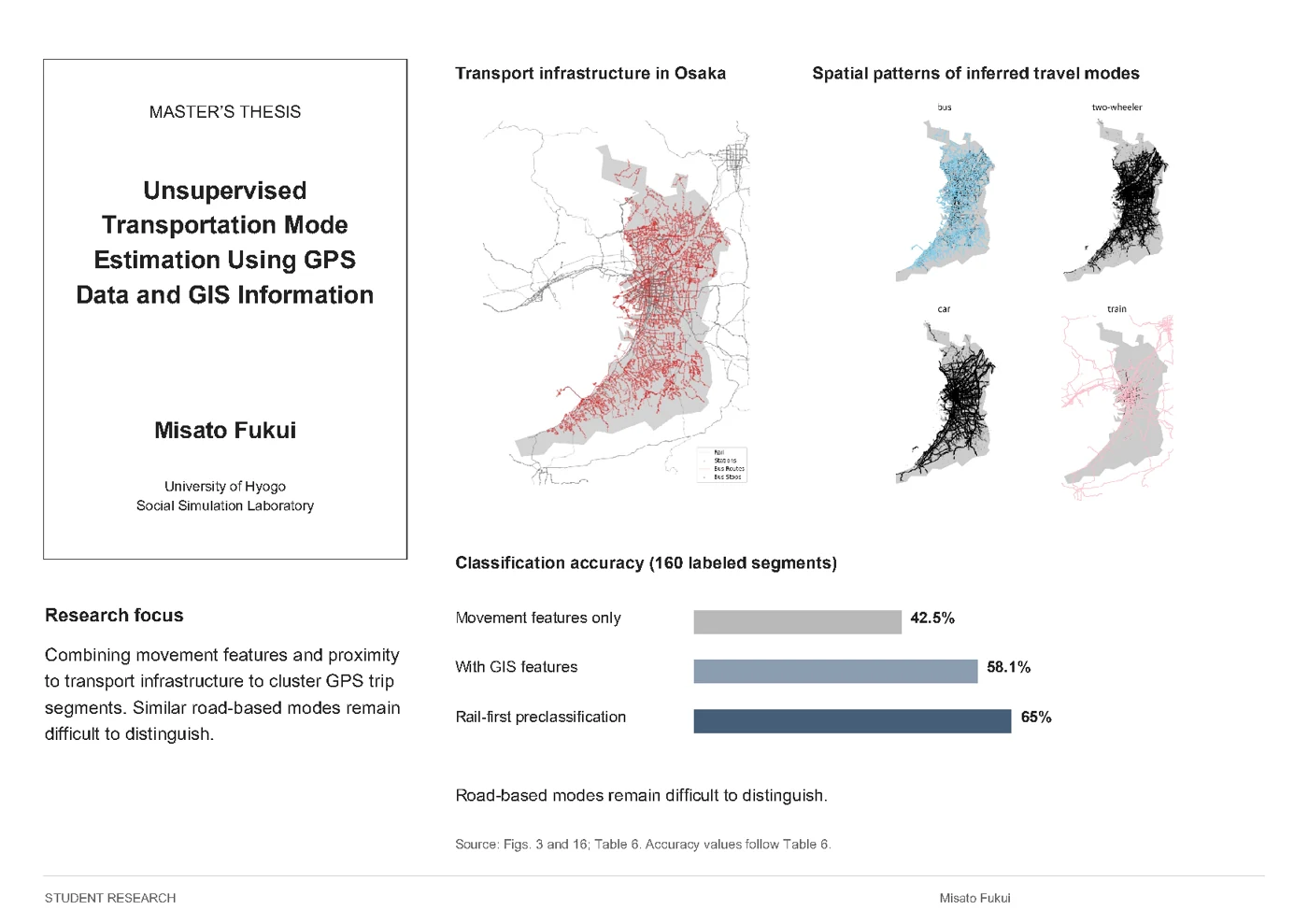 Select the title again to close.
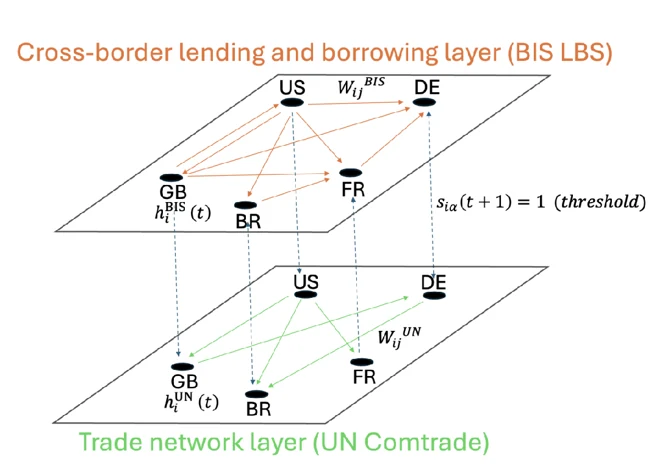 Junhyun ChaeQuantifying Financial Risk Propagation in International Networks Using Multilayer DebtRankView research +
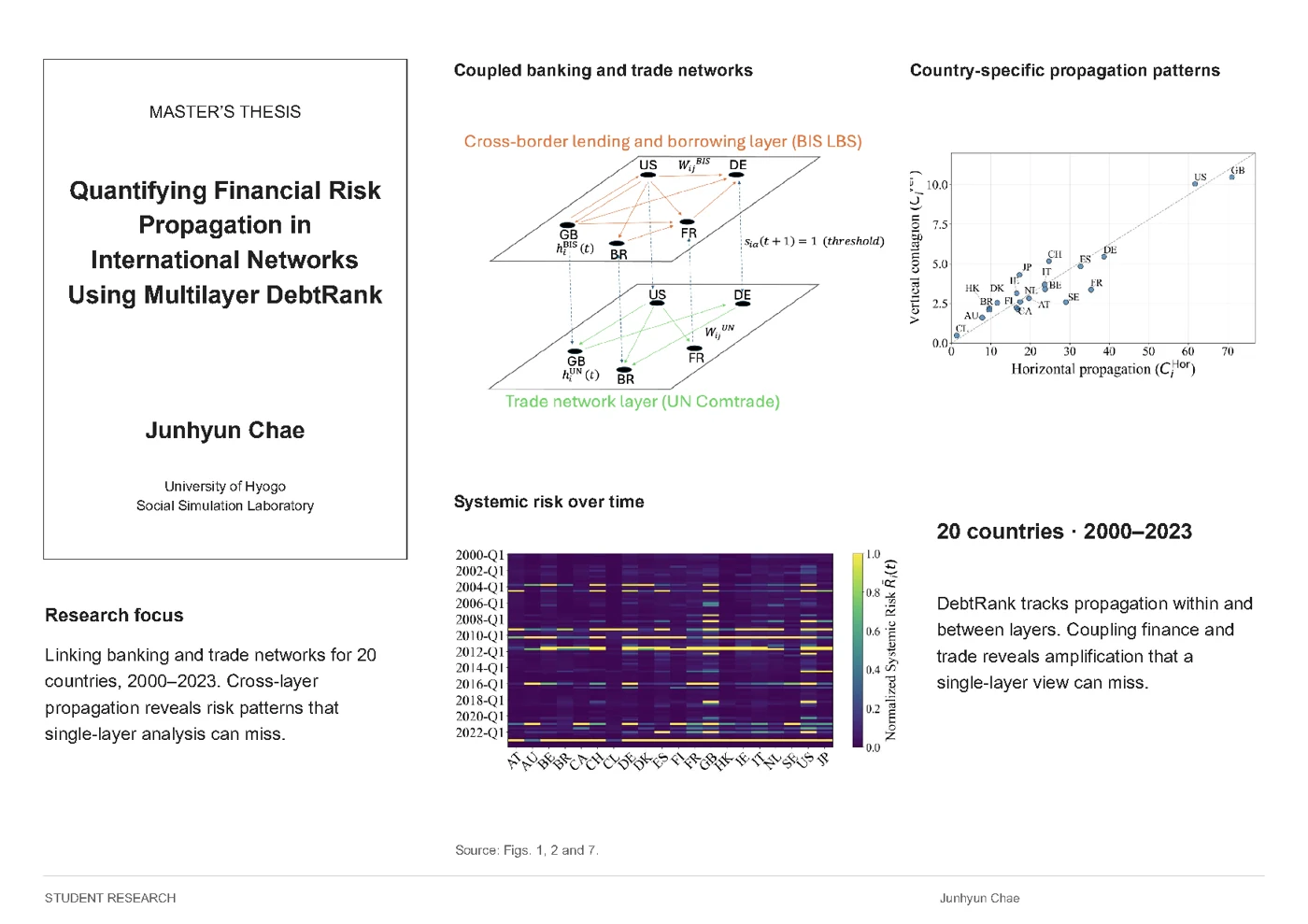 Select the title again to close.
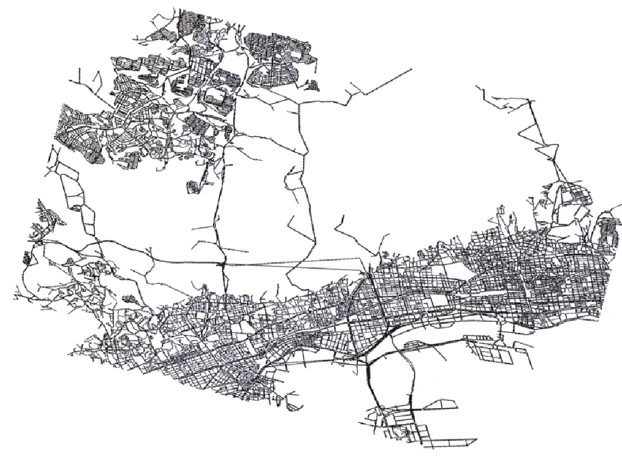 Tomoya IkedaAlleviating Urban Traffic Congestion Through Signal Control Using a Traffic SimulatorView research +
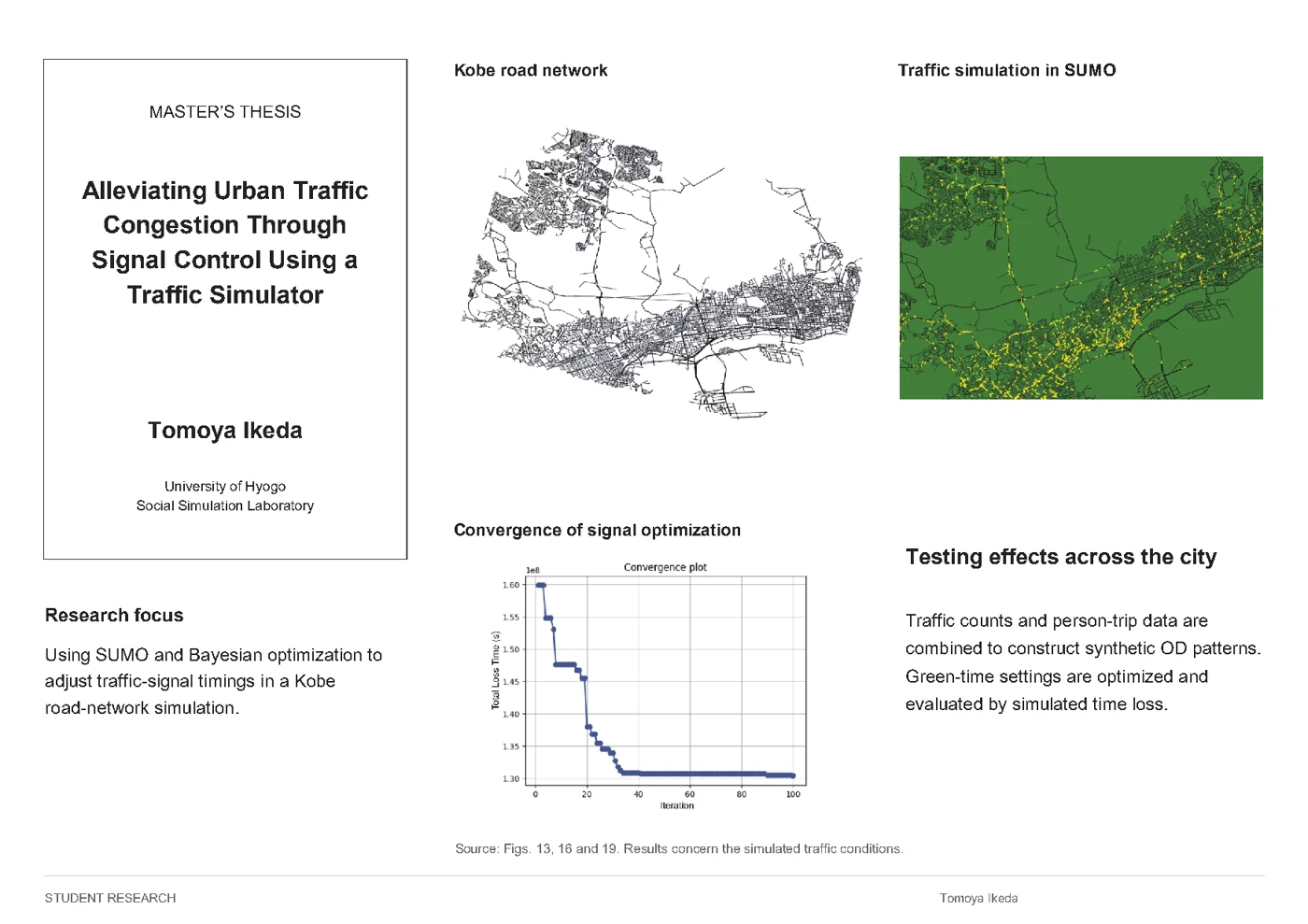 Select the title again to close.
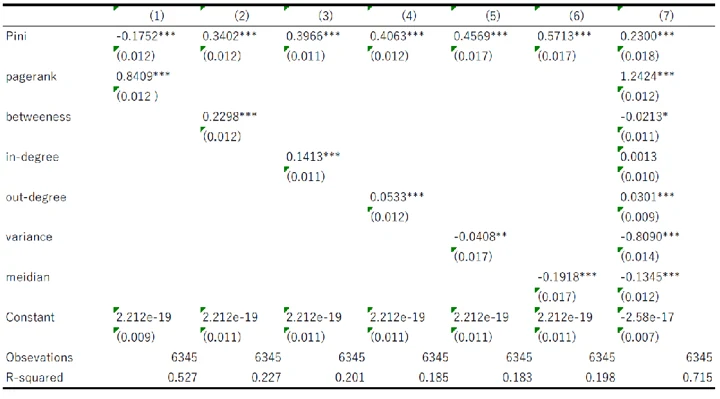 Katsumi TamakiFirm-Level Supply Chain Simulation Based on Interprefectural Input-Output TablesView research +
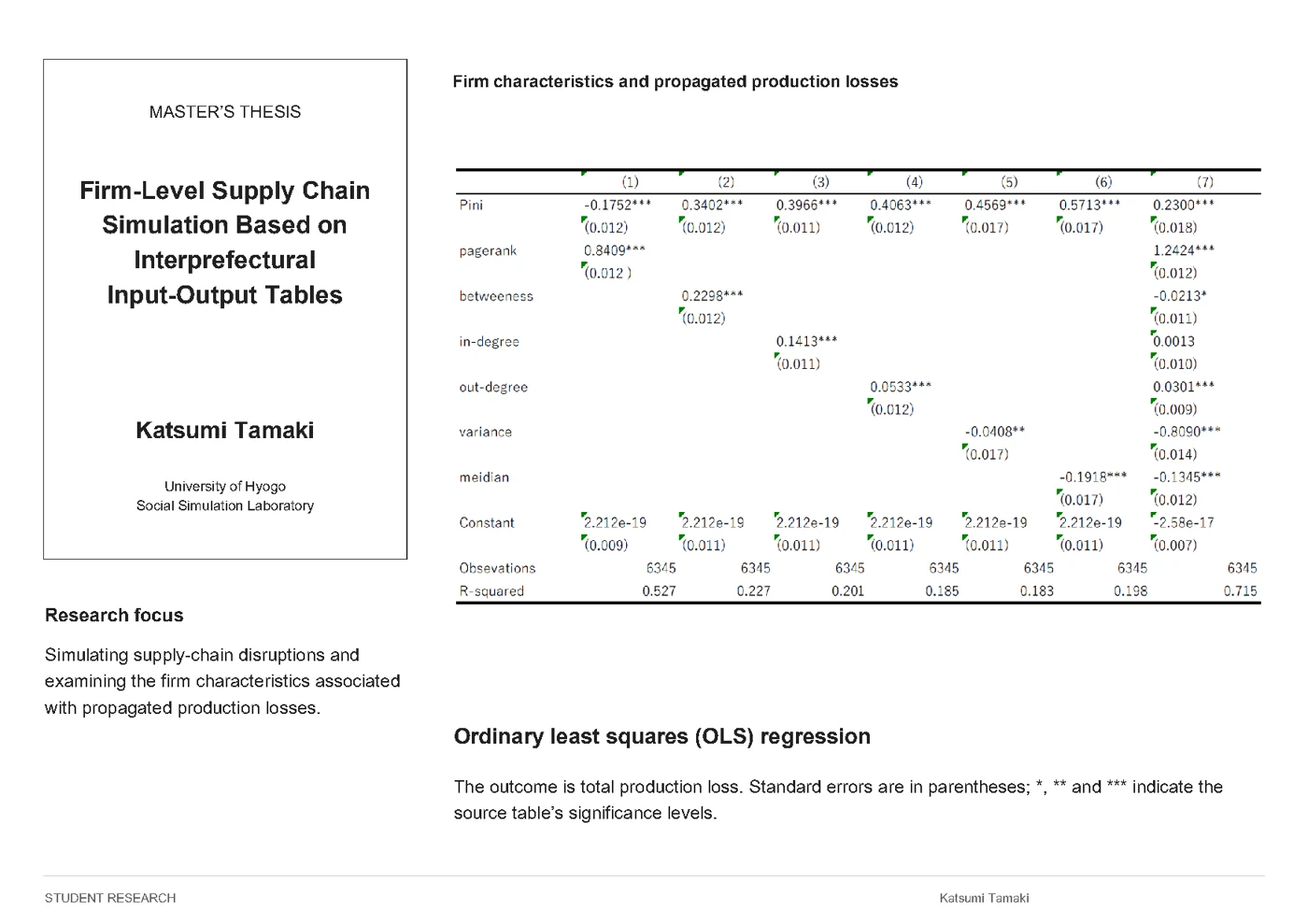 Select the title again to close.
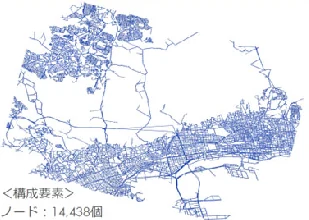 Ryuki YamamotoSimulating the Impact of Autonomous Vehicles on Urban TrafficView research +
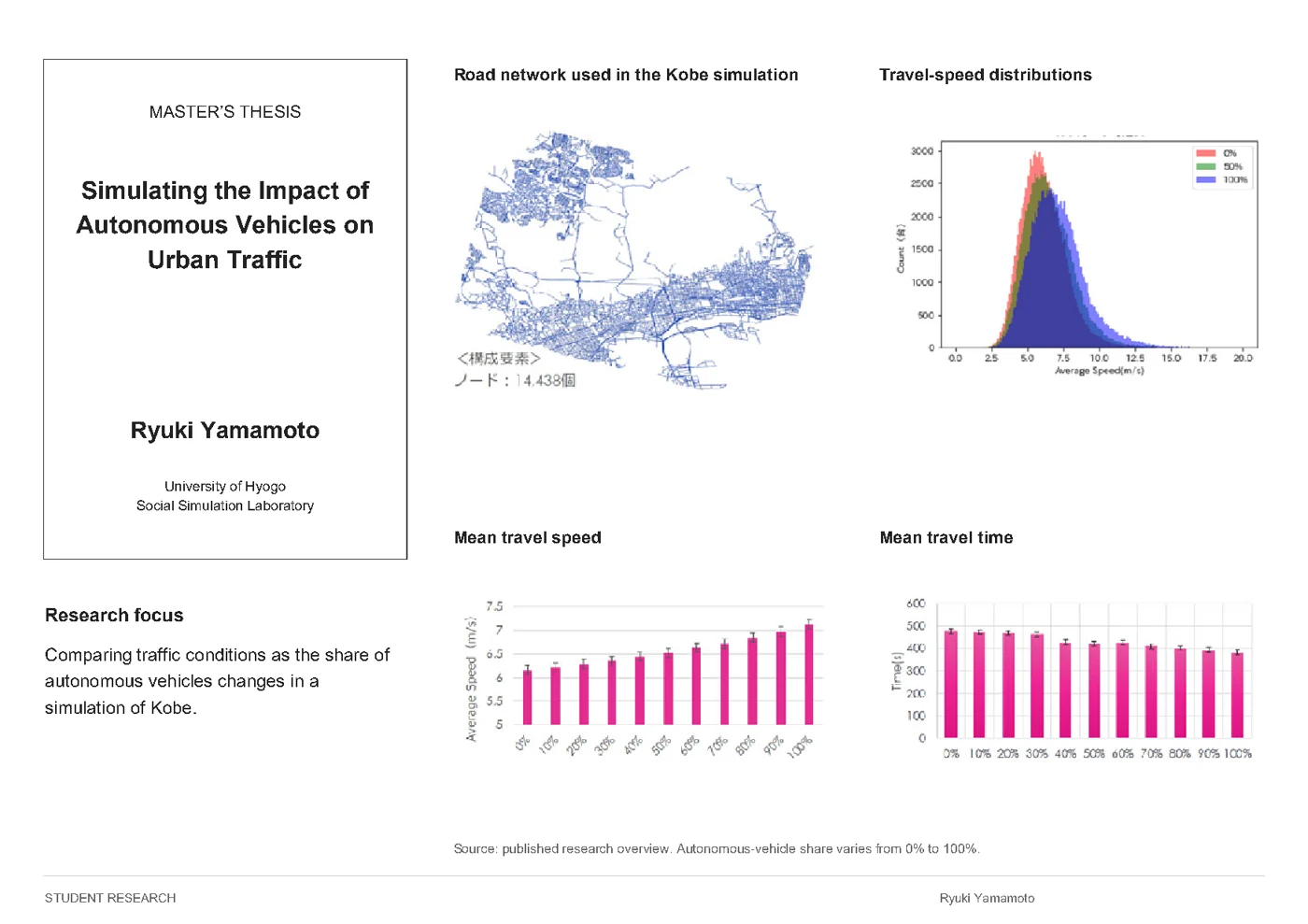 Select the title again to close.
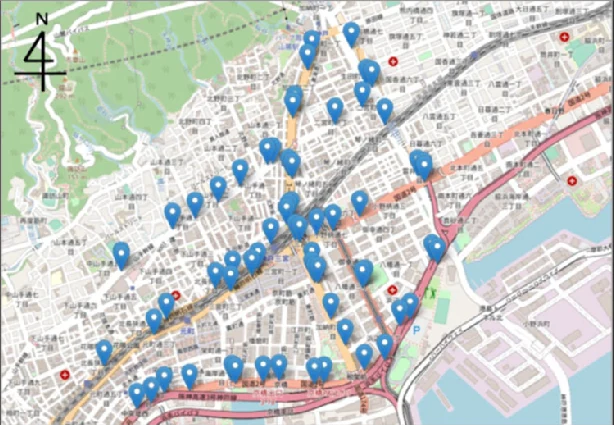 Hiroto NakagoriPredicting and Analyzing Urban Traffic with Explainable Spatiotemporal Graph Neural NetworksView research +
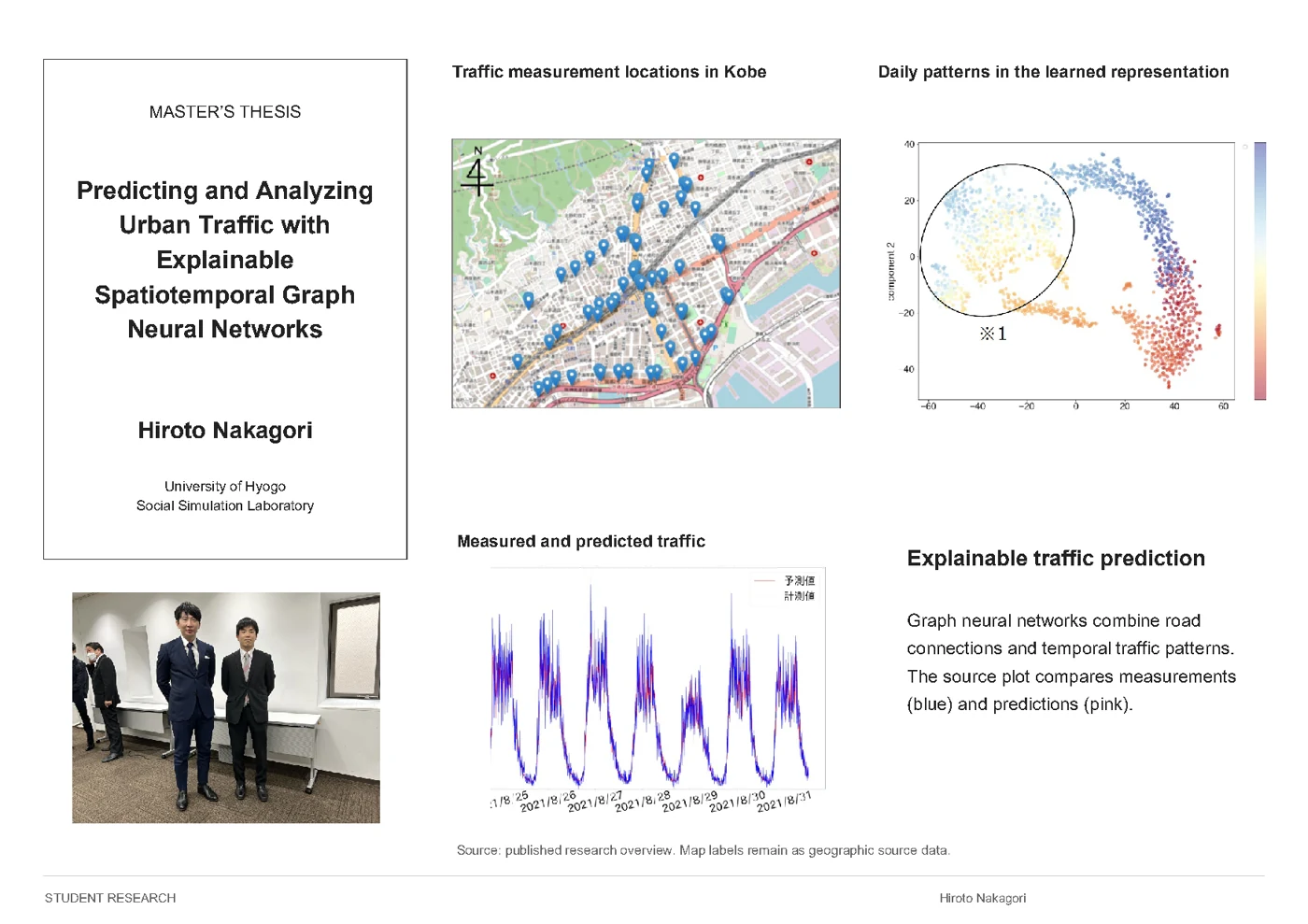 Select the title again to close.
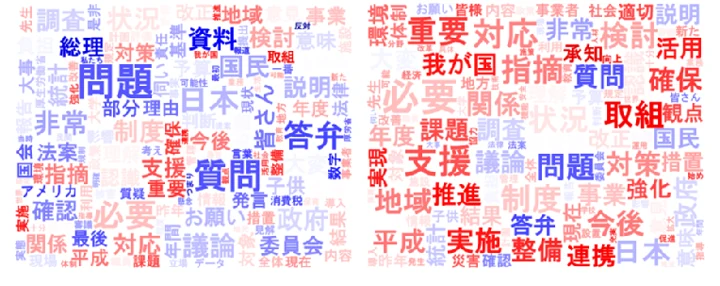 Sachi YamatoInferring Political Orientation from Social MediaView research +
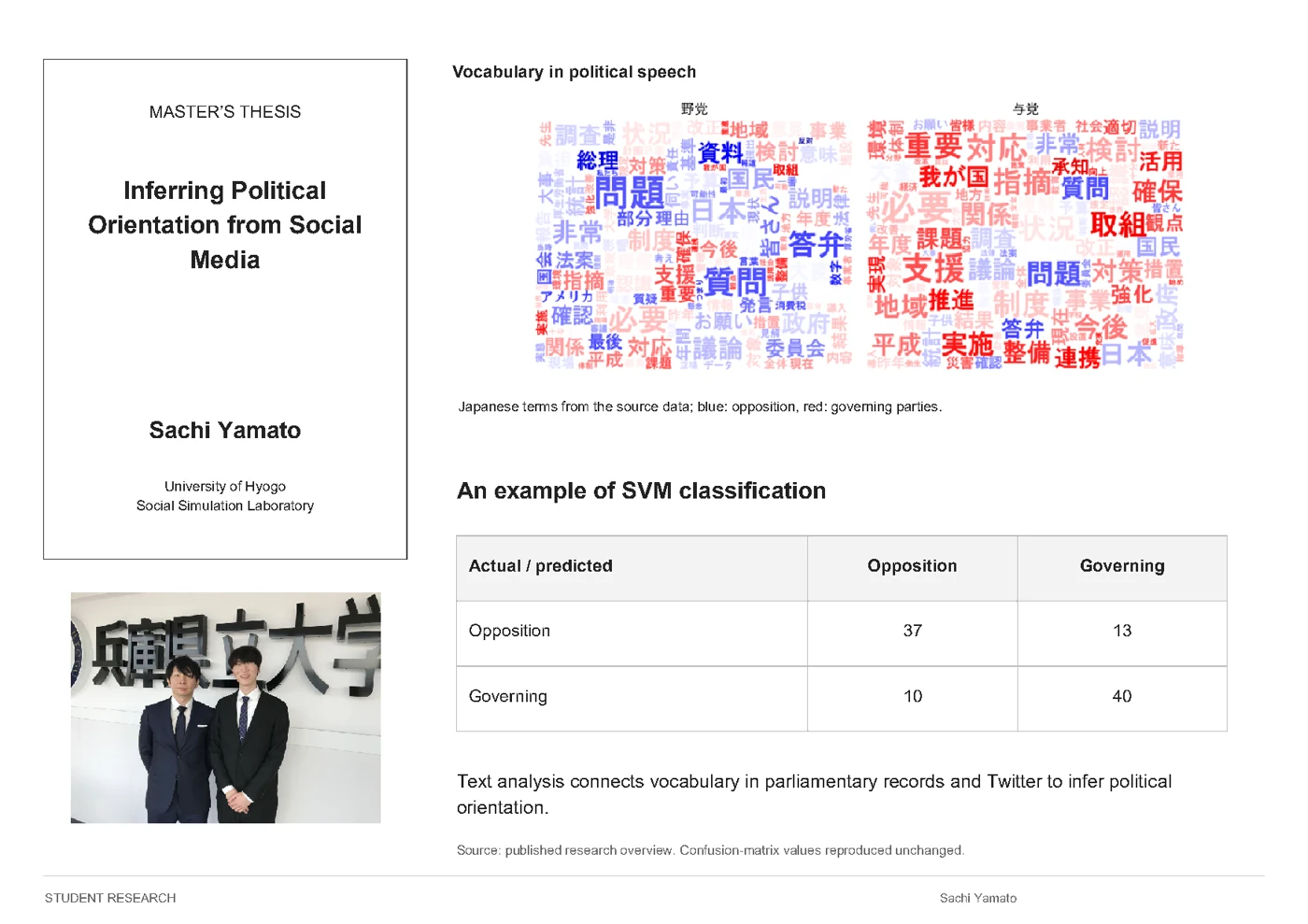 Select the title again to close.
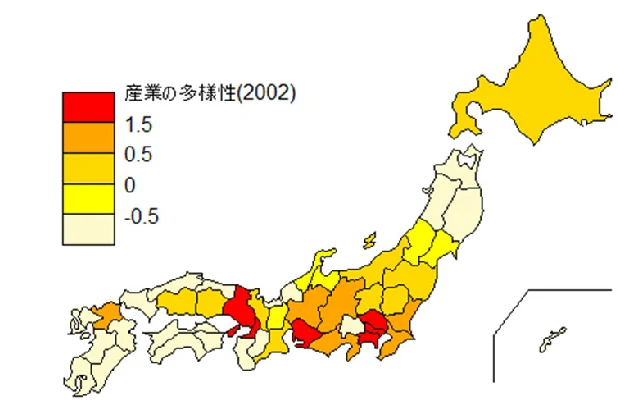 Kozaburo YamadaRegional Industrial Diversity and Economic Growth in JapanView research +
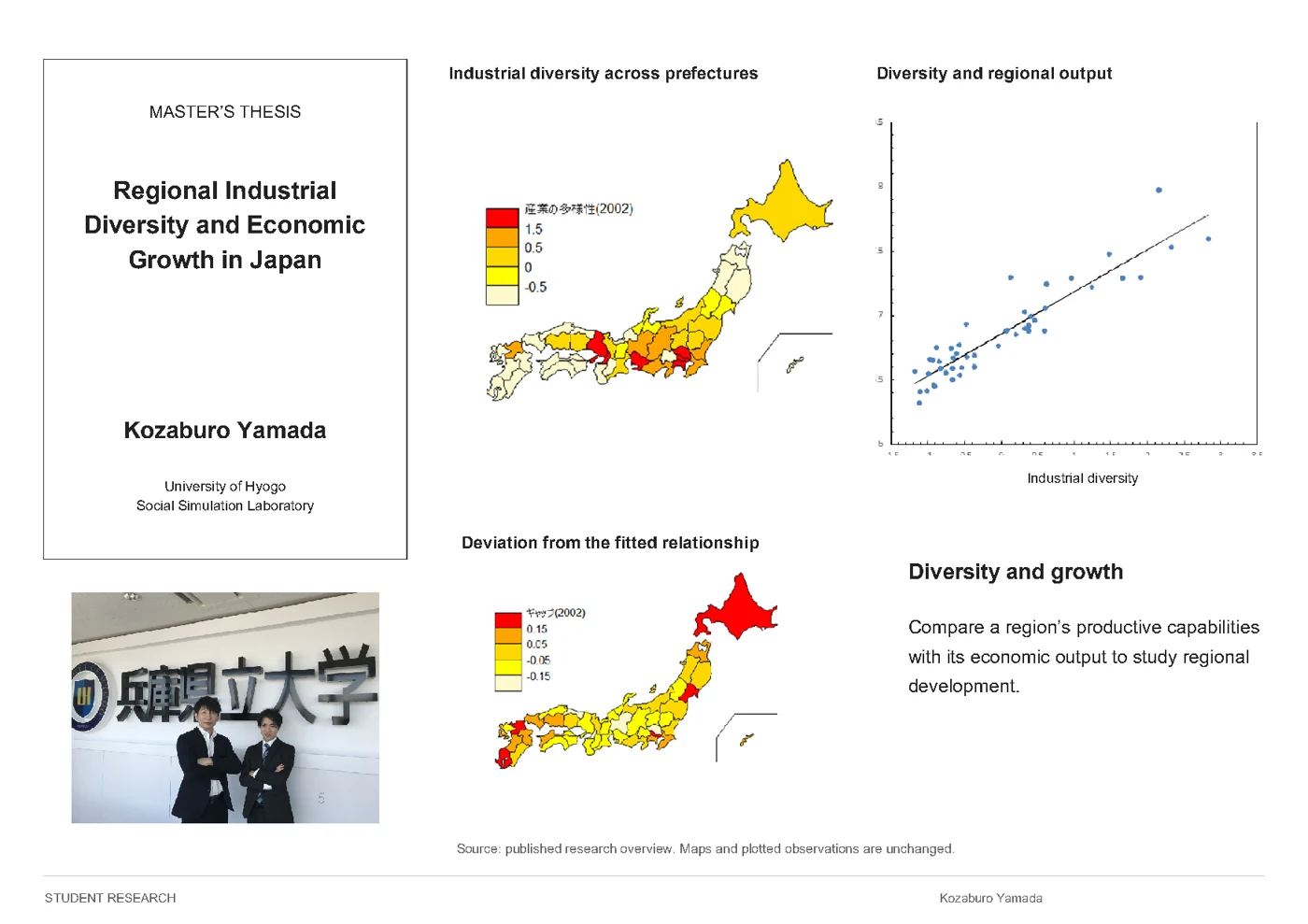 Select the title again to close.
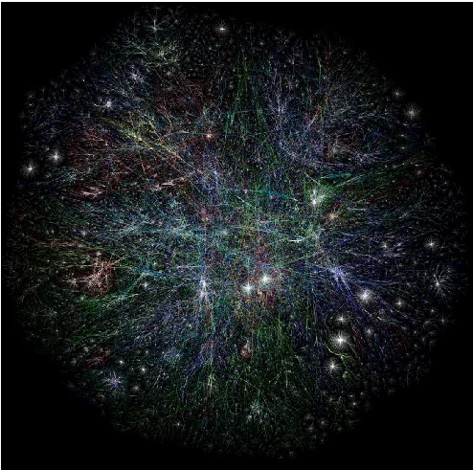 Takumi HamamotoInvestigating Internet Growth Through Community Detection and Temporal EvolutionView research +
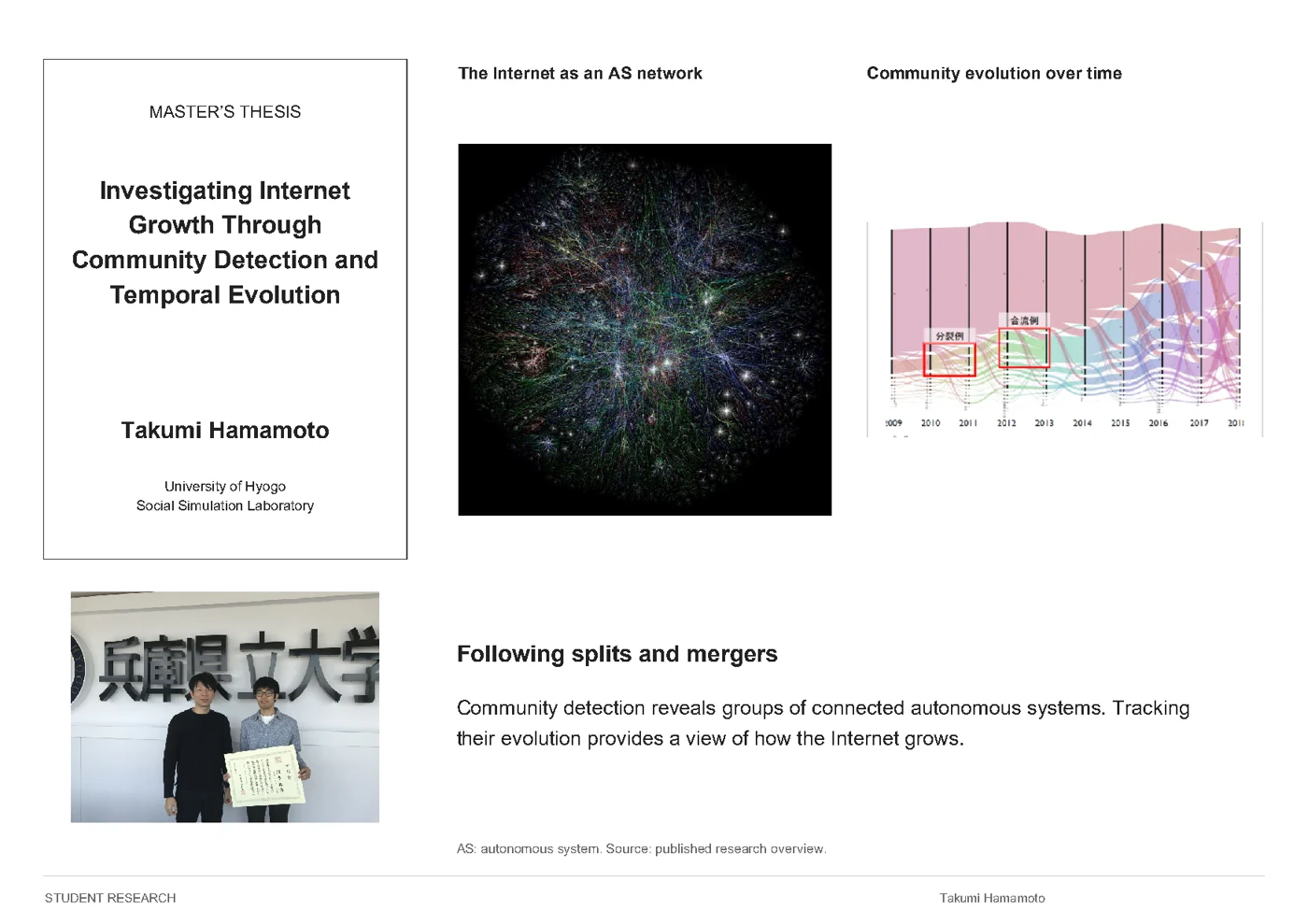 Select the title again to close.
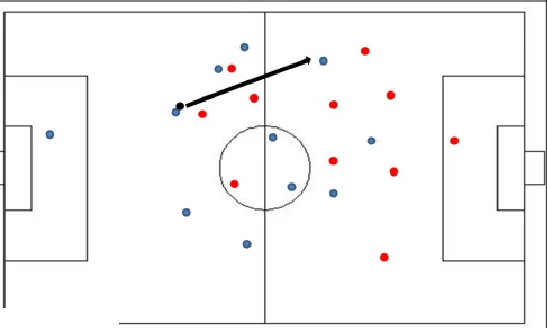 Tomoya TamakoshiMachine-Learning Classification of Collective Motion Using Position- and Orientation-Based SymbolsView research +
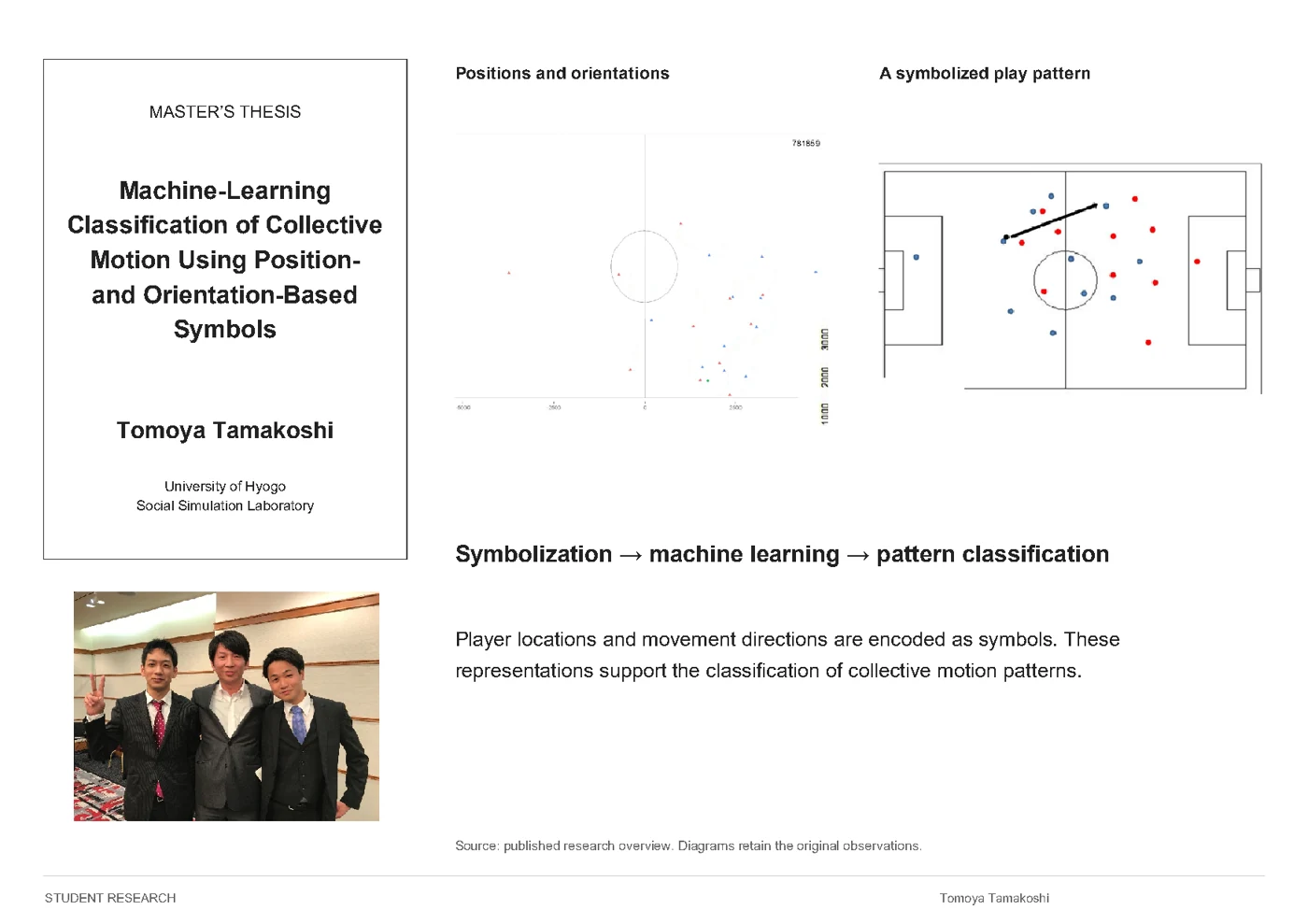 Select the title again to close.
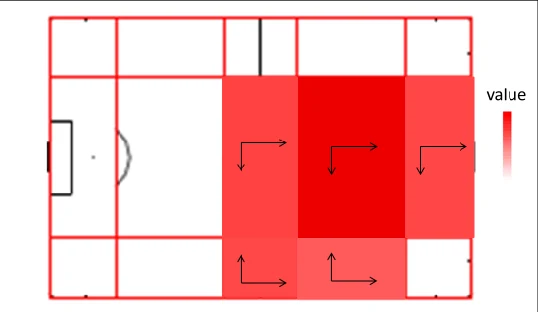 Hideaki TanakaDiscovering Collective Behavior in Spatiotemporal Data Using Topic ModelsView research +
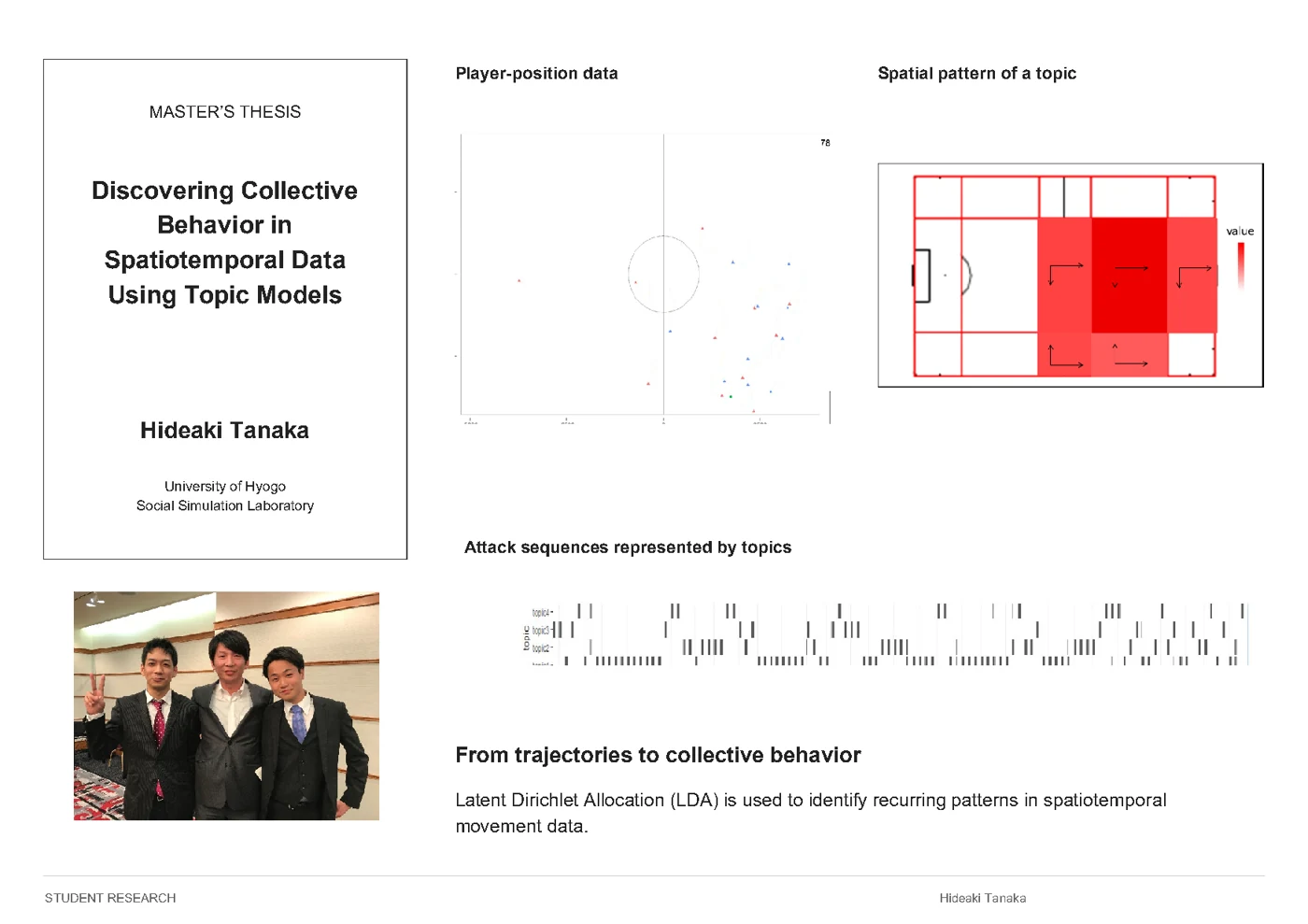 Select the title again to close.
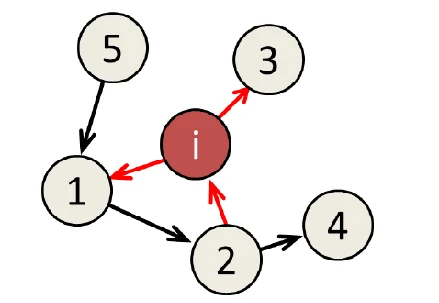 Hiroki MizushimaNetwork Properties Influencing Retweet Behavior on TwitterView research +
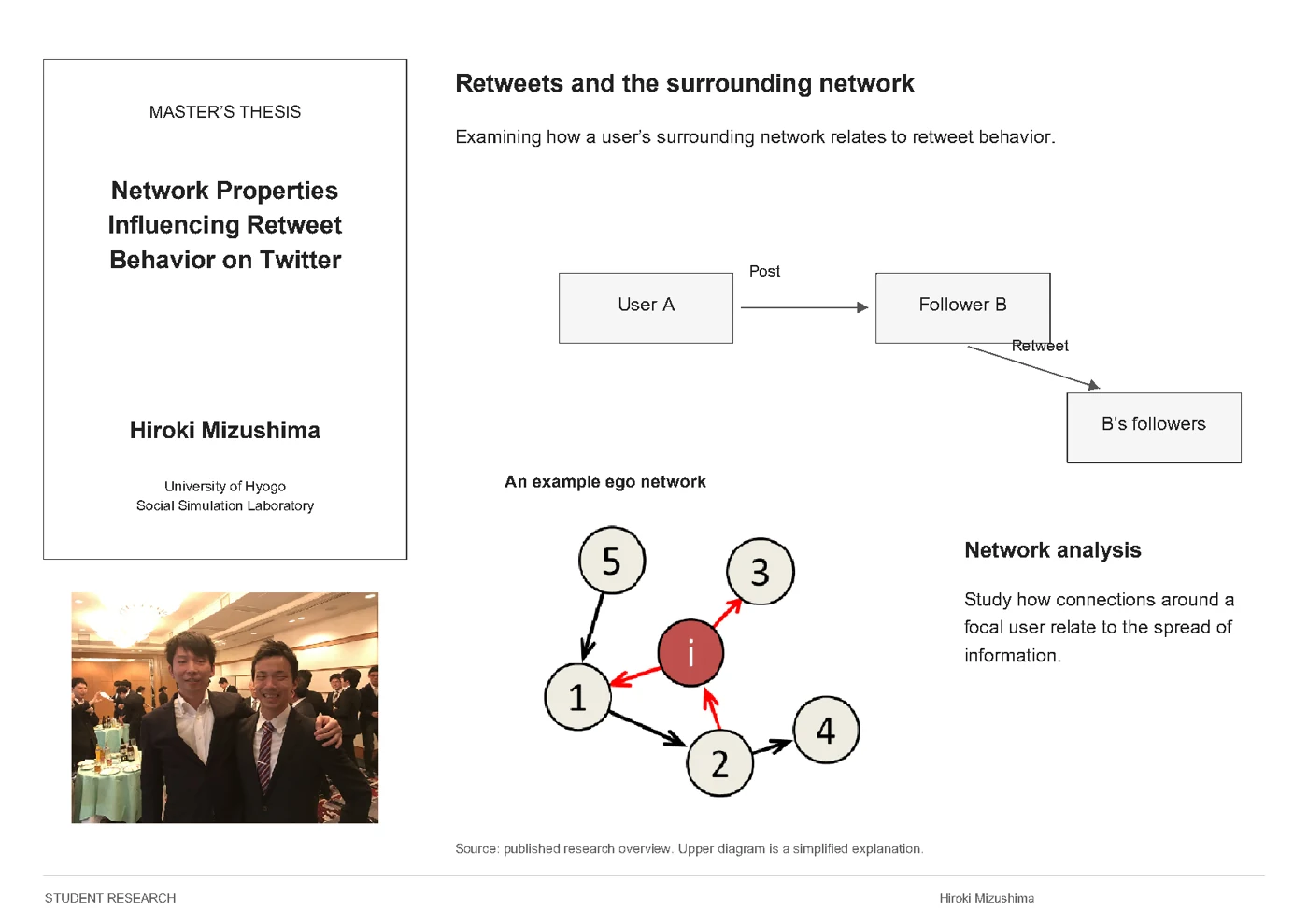 Select the title again to close.
